
Full or Partial Dentures are a game-changer for people who need to replace missing teeth because they struggle with eating, speaking, or just smiling. But let’s be real, a few years down the line, things can start to go awry: your dentures slip out of place, you need more adhesive all the time, your gums get sore, or your bite starts to feel all off.
So, how long do dentures actually last? The answer is it’s hard to pin down, but generally speaking, most dentures last for several years. But the specific timeline depends on what type of dentures you have, the materials they’re made from, how well you take care of them, and how your mouth changes over time. For people looking into replacing dentures in Tijuana, Olive Dental Solutions has got your back with clear communication, modern materials, and support for U.S. and Canadian travelers.
How Long Do Dentures Last on Average?
Most dentures last about 5 to 10 years, though some may need a bit of TLC, like a denture reline or repairs earlier on if they start to get loose, painful, damaged, stained, or just plain hard to use. Regular cleanings, dental checkups, and adjustments can help them last longer.
It’s worth pointing out that fit is just as important as age because our gums and jawbone are naturally going to change over time. Even if your denture looks like it is in good nick, it may still not fit properly, which can affect everything from comfort to chewing to speech. Replacing dentures is not always a sign of failure; it’s just a natural part of life as your mouth and the denture materials wear down over time.
Denture Lifespan by Type
The type of dentures you have can have a big impact on how long they last. Full dentures typically last between 5 and 10 years, but the fit may change as the gums and jawbone shrink, and the artificial teeth get worn down.
Partial dentures depend on how healthy the remaining natural teeth you still have are and may need adjusting if those teeth, the way you bite, or the framework itself change. Immediate dentures are a bit of a special case because they are placed while your gums are still healing after extractions, and so often need more frequent adjustments. Implant-supported dentures are a bit more stable and may last longer, but they still need regular maintenance and the occasional repair or replacement.
Why Dentures Wear Out Even With Good Care

There are several factors at play, but the main one is that, when you wear dentures, they wear out over time because both the denture and your mouth are naturally changing. Whether from daily chewing, moisture, temperature changes, or just years of use, wear and tear are inevitable, even if you clean and care for your dentures properly. This is just the way it goes and doesn’t mean you did anything wrong.
Changes in the gums and jawbone after tooth loss are a common reason dentures start to feel loose or uncomfortable. As the gum ridge shrinks, they may start to slip around, causing sore spots, rubbing, clicking, or just making everyday activities a bit of a struggle. A reline can sometimes sort out the fit by reshaping the inside of the denture to match the gums, but if the teeth are worn, the base is damaged, or the bite has changed a lot, then replacement may be the best option. Regular dental checkups can help figure out if the problem is down to fit, structure, bite, or a bit of everything.
Suddenly You Need More Denture Adhesive? Signs Your Dentures May Need to Be Replaced
It doesn’t always mean you need to replace your dentures if one problem pops up. In many cases, a bit of TLC or an adjustment can sort out the issue. But if your dentures start to interfere with eating, speaking, or your daily comfort, then it’s worth getting them looked at.
Some common signs that your dentures may need some attention include if they start to feel loose all the time, you need to use more adhesive, your gums get sore, you get pressure spots, or you experience recurring mouth irritation. Difficulty chewing, changes in speech, visible cracks or chips, heavy staining, worn teeth, or a collapsed bite can also be a sign that repair, relining, or replacement may be necessary. A dental exam can help figure out the best course of action.
When Your Dentures Feel Loose, Is Not Just Annoying, It’s a Functional Issue
Loose dentures can be pretty embarrassing, but they’re also a problem with comfort and functionality. When a denture moves around too much, it can rub your gums, make eating a struggle, and create sore areas that just keep coming back.
Lots of people try to fix this with a bit more adhesive. That might help in the short term, but it’s not a good long-term solution if your denture feels like it’s a poor fit. If you find yourself needing to use more adhesive than you used to, it probably means your mouth has changed, or your denture is just worn out.
Reline, Repair, or Replace? Finding Out The Answer At Your Denture Consultation
When it comes down to it, a dentist will evaluate the fit, condition, bite, appearance, and comfort of your dentures before deciding on a course of action. The goal is not to replace dentures unnecessarily; we want to get the best out of them for as long as possible. A reline can sort out the fit if your gums have changed shape, but the denture is still structurally sound. Repairs can fix issues like cracks, chips, broken teeth, or damaged clasps. Replacement is usually the best option when the denture is heavily worn, the bite has changed a lot, the base is damaged, or it no longer provides the right support and function.
When It May Be Time to Consider Dental Implant-Supported Options
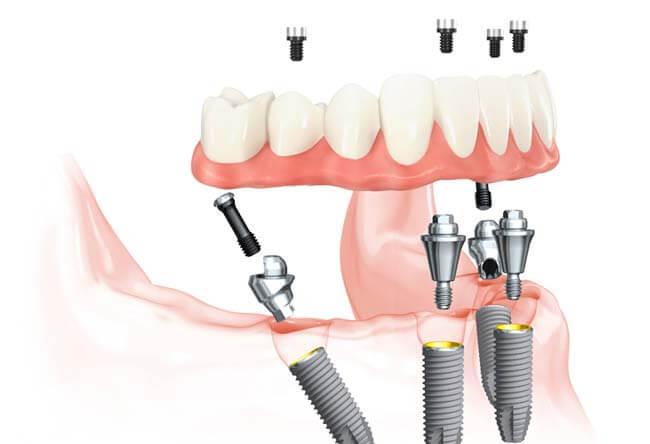
If you find yourself struggling with slipping, sore spots, or a lack of confidence to chew properly, then implant-supported dentures (such as the All-on-4 system) may provide a much more stable alternative to traditional removable dentures. While conventional dentures work just fine for many people with proper fitting and maintenance, implants add an extra layer of security for those who really need it. If you’re from the US or Canada, we can even give you a FREE virtual diagnostic to help explore implant-supported or replacement dentures, all with bilingual support, top-of-the-line materials, and travel assistance to help you save a pretty penny.
How to Help Your Dentures Last a Bit Longer
Even the best care can’t stop all the natural changes that go on in your mouth, but it can keep your dentures looking cleaner, feeling safer, and more comfortable for a longer time. Small habits make a big difference.
Clean your dentures every day with a special denture brush and whatever cleaning toothpaste your dentist has recommended. Be gentle with them, and try to handle them over a folded towel or the sink, the one filled with water, so if you do drop them, they won’t break into a million pieces. Follow the instructions for soaking, and whatever you do, avoid hot water; it can warp the material.
Don’t even think about trying to adjust your dentures on your own. Filing, bending, or using those home repair kits can damage the denture or make the fit worse, which we all know leads to daily discomfort. And don’t forget to keep those regular dental visits going; it’s the only way your dentist can check on your gums, your bite, and your oral tissues before things turn into real problems.
Dentures Last Longer When Fit Issues Get Checked Early On
Dentures can last anywhere from 5 to 10 years, but the real question is not how old they are; it’s whether they still do their job, support your bite, and let you eat and speak without any issues.
If your dentures start to feel loose and painful, are cracked, or are harder to get used to, then a dental evaluation can help you figure out what comes next. So you may need a reline, a repair, a replacement, or a more stable solution.
If you’re thinking about getting dental care done in Tijuana, then we’re here for you at Olive Dental Solutions. We can help you compare denture replacement options with implant-supported dentures and other related solutions. Get Your Free Quote, and we’ll get a clear conversation going about what you need to feel comfortable.
FAQ
Can dentures last that long, 20 years?
Some dentures may have been around for 20 years, but that doesn’t mean they still fit right. Your gums, jawbone, bite, and even the materials in your dentures can all change long before the denture breaks.
Do I need to replace my dentures if they’re loose?
Not necessarily. If they’re just a bit loose, you might just need a tweak or a reline, but if they’re older and are showing signs of wear, cracks, bad bite support, etc., then it’s probably time to think about getting them replaced.