

Saliva plays a pretty big role in maintaining a healthy mouth, oral health, and even helping with digestion. Saliva is not a replacement for brushing and flossing, but it’s definitely a big help. It helps rinse away food particles, neutralize some of the harmful acids that can wear away at our teeth, and even delivers minerals that can help keep our teeth enamel strong.
- The thing is, Saliva does help you keep healthy teeth with natural cleaning, but it can’t remove plaque like brushing and flossing do.
- A healthy adult spits out around 0.5 to 1.5 litres of saliva every day, which helps protect us from getting cavities, gum disease, and bad breath.
- Having dry mouth is a bit of a problem, though; it raises the risk of tooth decay, infections, and gum problems because it reduces the mouth’s natural defences.
- You still need to use fluoride toothpaste, floss regularly, and get in to see the dentist every now and then.
- To keep things going smoothly, make sure to drink plenty of water, chew some sugar-free gum (xylitol’s a good option), keep acidic foods in check, and try to avoid smoking.
What Is This Stuff We Spit Out, Anyway?
Saliva is just a clear fluid produced by all sorts of glands in our mouth, the submandibular glands and the sublingual glands. On average, an adult spits out about 0.5 to 1.5 litres every day, depending on how hydrated they are, what they’ve eaten, and what time of day it is.
This fluid is mostly water (98-99% to be exact), but there’s also some protein, minerals, enzymes, and antibacterial stuff in there too. It plays a big role in the digestion process, breaking down the food we eat, lets us taste things properly, helps with swallowing, and keeps our mouth moist, protecting it from getting all dry and uncomfortable.
So, Does Saliva Clean Teeth or Not?
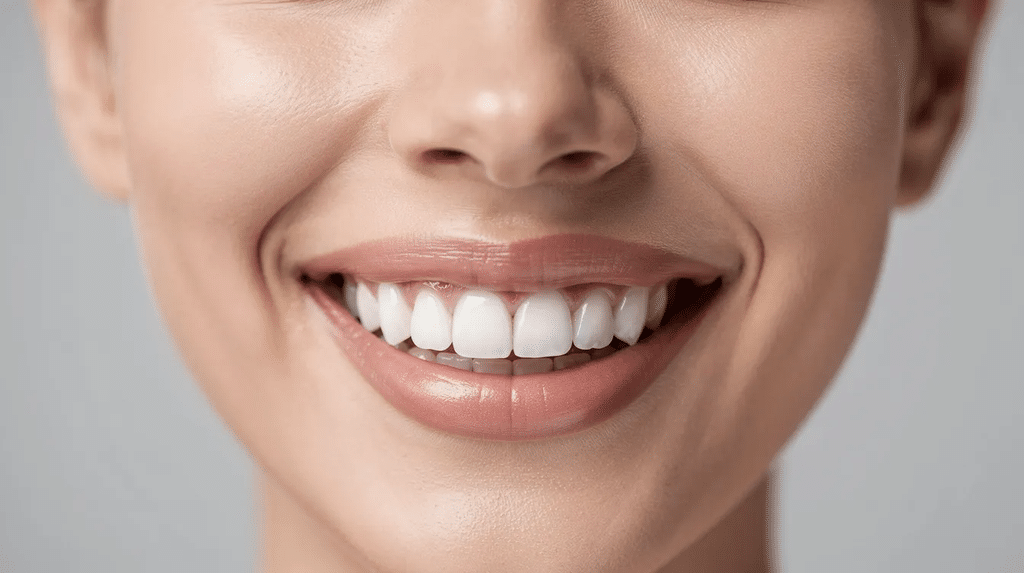
Yeah, Saliva does help keep our teeth clean, but it’s more of a continuous rinse than a deep clean. It helps get rid of loose food debris, dilutes some of the sugars that can feed the harmful bacteria in our mouths, and helps counteract the acid they produce.
It also creates a protective layer on our teeth that can help keep acid damage at bay. But it’s not enough to get rid of plaque (that’s the sticky biofilm that attaches to our teeth and between them; think of it like a bad habit that needs regular brushing to get rid of).
How Saliva Keeps Our Teeth and Gums Healthy
Saliva helps in three main ways:
Washing it away. Saliva helps get rid of food bits and take down some of the bacterial growth that can cause gum disease and chronic bad breath.
Buffering the acid. Saliva neutralises some of the acid produced by bacteria and acidic foods, helping keep the mouth environment healthy.
Re-mineralising. Calcium and phosphate are some of the essential minerals in saliva that help repair any early damage to our enamel, and Fluoride from toothpaste or water can help strengthen this process.
Saliva also has some antibacterial compounds in it and keeps our oral tissues hydrated and happy.
When Saliva Falls Short: Dry Mouth, Gum Disease and Other Problems
Dry mouth (that’s what xerostomia means) is when we don’t produce enough saliva, and trust me, it’s pretty hard to ignore: you get this sticky feeling, it’s hard to swallow dry foods, your mouth feels like it’s on fire, your lips get all cracked, and you get this persistent bad breath. Not fun.
Your parotid glands and other salivary glands help produce saliva that keeps a healthy pH balance in your mouth, washes away food particles, and protects your teeth and gums. When saliva production is reduced, excessive saliva isn’t the issue; it’s the lack of it. Certain medications can also interfere with normal saliva production.
Dry mouth also raises the risk of rapid tooth decay and periodontal disease because the mouth has lost its natural cleaning and buffering system, greatly affecting your healthy smile
Some common causes include:
- Certain medications, including antihistamines and antidepressants
- Medical conditions like diabetes or Sjögren’s syndrome
- Dehydration, smoking, consuming harmful substances, and drinking too much
- Mouth breathing at night
- Radiation therapy
Reduced saliva flow increases the risk of cavities, infections, and gum disease.
Common Habits to Help Keep Saliva Flowing and Keep Your Mouth Healthy
On the flip side, having way too much saliva or a change in saliva flow is less common and more of a comfort thing, but still worth checking out with a dentist or doc if it’s been persisting for a while. If dry mouth or changes in salivary flow are causing problems with speech, sleep, or diet, you should get it checked out.

Everyday Habits to Help Your Saliva Do Its Thing and Keep Your Mouth Healthy
Lifestyle choices play a big role in how well our saliva’s doing and how healthy our gums are, and let’s face it, healthy saliva’s critical for keeping gum health between dental visits.
- Drink plenty of water. Sip on some plain water all day to keep your mouth nice and moist. Most adults need about 1.5-2 litres per day unless they’ve got some medical restriction going on; even mild dehydration can reduce the healthy flow of saliva.
- Chew some sugar-free gum. Chewing really stimulates adequate saliva production. Pick some xylitol gum and chew for about 10-20 minutes after meals to help wash away food bits and get more buffering agents into the oral environment. Avoid sugary gum that’s just going to feed the bacteria.
- Keep acidic foods and drinks at bay. All that sipping of soda, sports drinks, wine, or citrus juices keeps the mouth in an acidic state and accelerates acid erosion. Try to keep it in moderation and rinse with water afterwards.
- Avoid smoking and heavy drinking. Both will dry out your mouth and mess with the oral ecosystem.
- Eat some crunchy foods. Fruits and veggies are great for stimulating saliva and clearing out food bits naturally.
Saliva, Brushing, and Flossing: How They Work Together
- Saliva, brushing, and flossing form a tight trio to protect our teeth. Saliva keeps things moving with its constant light scrubbing, balances out the acid levels, and gives a helping hand in protecting tooth enamel, while brushing and flossing get rid of the plaque that saliva just can’t reach.
A healthy daily routine is a must-have and should include:
- Brush your teeth twice a day for two minutes with a fluoride toothpaste. Make sure you use the right pressure to get the job done.
- Clean between your teeth daily with floss or an interdental brush; it’s a great way to catch any bits before they cause problems.
- If your dentist recommends it, use a mouthwash as part of your daily routine.
The thing is, saliva actually helps out with the fluoride in toothpaste by spreading it all around your mouth and keeping your enamel nice and moisturised between brushings. Regular professional cleanings (you know, every six months or so) are a great way to pick up on any issues with your salivary glands early on, or any concerns with enamel wear and gum inflammation. And let’s be honest, having a healthy dose of saliva combined with a solid home care routine is probably one of the best ways to keep your teeth and gums in top shape for the long haul.
The Long-Term Importance of Saliva for Your Gum and Enamel Health
Over time, the cleaning, buffering, and remineralization effects of your saliva can really start to make a difference by reducing the damage that leads to cavities, gum disease, and enamel demineralization.
On the other hand, chronic dry mouth can be a real problem, especially if it’s caused by medication or a health condition; things can start to go downhill fast if you have low saliva levels. Patients experiencing persistent dryness, a burning sensation, or a sudden increase in cavities despite brushing and flossing regularly should get in touch with their dentist.
Of course, early interventions like fluoride treatments or reviewing any medication you’re taking can make all the difference in protecting your teeth and keeping your oral health on track for the long term.
Frequently Asked Questions
Can saliva ever replace brushing and flossing
No, it can do some of the clean-up work, but it’s just not the same as getting a good old brush and floss in there to get rid of all the plaque and debris. Without proper brushing and flossing, plaque can build up and cause all sorts of oral health problems.
Does chewing sugar-free gum really help clean my teeth
Yes, it can, especially if you get a gum that’s got xylitol in it, which helps get more saliva flowing and takes some of the food bits away. Of course it’s not a replacement for brushing or flossing, but if you are stuck and can’t get to a toothbrush for a bit, a piece of sugar-free gum can be a good stop-gap.
What are the telltale signs that your saliva might be too acidic
Well, one thing to look out for is regular heartburn, a sour taste in your mouth, tooth sensitivity or signs of enamel wear. If you’re always having a fizzy drink or citrus stuff, then you may be increasing your risk of enamel erosion. Your dentist can have a look at whether your enamel has taken a hit and give you some tips to help protect it.
Is bad breath always a sign of low saliva
No, not by a long shot. Of course, if you’re not producing enough saliva, it can give bacteria the chance to build up in your mouth and cause bad breath, but it’s not the only possible cause. You might have gum disease, a coating on your tongue, or even a sinus issue that’s causing the problem. So, a good drink of water, a bit of tongue cleaning, and some dental care can go a long way to help with that.
What can I do if a medication I’m taking is causing me to have a dry mouth
Don’t just stop taking the medication; that’s not the answer. Have a chat with your doctor and dentist and see if there are any other options available, like adjusting the dosage, using a saliva substitute, or moisturising products. Drinking plenty of water and chomping on some sugar-free gum might also help, even if it’s just a temporary solution.