

Jawbone loss catches millions off guard; it doesn’t usually become apparent until you start noticing shifting teeth, receding gums, or a sunken cheekbone. The good news is that you can slow down, or even stop, bone loss in the jaw, and in some cases even partially reverse it, with the right combination of good dental care, lifestyle changes, & modern treatments.
Getting to the Bottom of Jawbone Loss: Causes, Effects, and Risk Factors
Your jaw is living tissue that’s constantly changing shape in response to the forces from chewing through your natural teeth. When that stimulation is gone, or your supporting tissues are damaged, the bone starts to shrink; that’s what’s known as jawbone loss or alveolar bone resorption.
Significant bone loss isn’t just bad news for the remaining teeth right next to the missing tooth: it can also make it harder to place dental implants, destabilize dentures, and even change your facial appearance, giving you sunken cheeks and a prematurely aged appearance. And here’s the thing: after a tooth is extracted, you can lose up to 25% of the bone width within the first year, which makes getting treatment right off the bat super important.
What Causes Jawbone Deterioration?
Understanding what’s causing the problem is the first step towards stopping it and rebuilding jawbone health.
- Tooth loss and extraction: Once a tooth is missing, there’s no longer any stimulation to keep the bone tissue healthy, and bone resorption is rife, especially in the first 6–12 months if you don’t have socket preservation.
- Periodontal (gum) disease: Chronic bacterial inflammation that destroys gum tissue and bone supporting the teeth, which can lead to gum recession, bleeding, shifting teeth, and eventually teeth that are loose.
- Dental infections & abscesses: Left untreated, these can rapidly damage surrounding bone and put neighbouring teeth at risk.
- Dentures and dental bridges: Conventional dentures and bridges don’t do much to stimulate the bone beneath the missing teeth, and continued resorption can lead to loose dentures and changes to your jaw structure.
- Systemic & lifestyle factors: Stuff like smoking, uncontrolled diabetes, osteoporosis, poor nutrition, certain medications, and excessive teeth grinding can all compromise bone health or make healing a lot harder.
The best solution to how to stop bone loss in jaw is to address the root cause as soon as possible. Treat gum disease early, replace missing teeth promptly, and address any other dental infections. Treating these can help preserve bone, keep your facial structure intact, and go a long way toward maintaining oral health on good nick.
The Best Way to Prevent and Slow Jawbone Loss
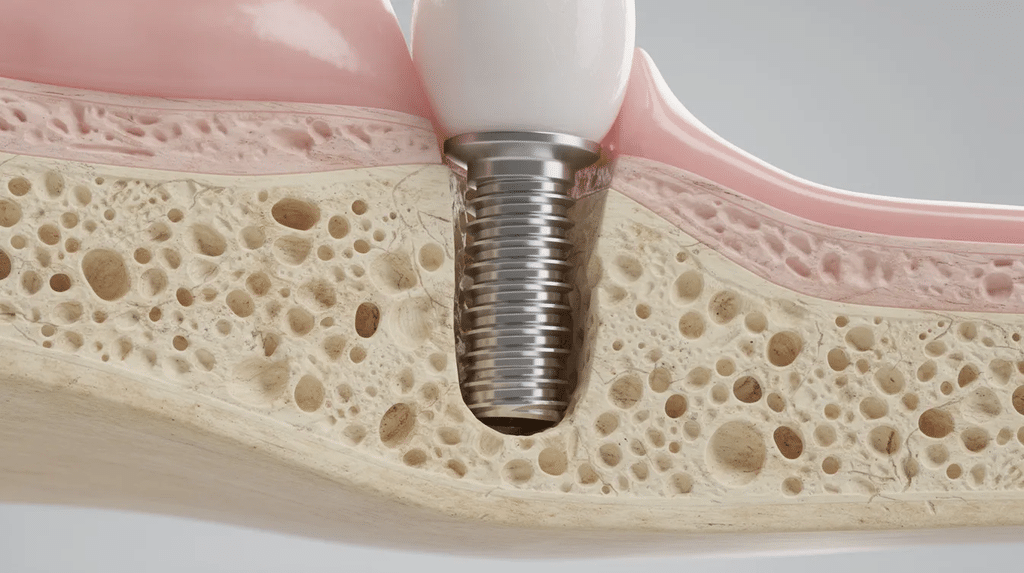
Preventing dental bone loss is all about treating gum disease, controlling infections, replacing missing teeth, and doing your daily dental routine like a pro. Lost bone doesn’t magically regenerate itself, but with early intervention and consistent dental care, you can slow down or even stop further deterioration and protect long-term jawbone health.
Top Tips for Protecting Your Jawbone
- Get your oral hygiene routine right: Brush twice a day, floss or use interdental cleaners, and follow any antimicrobial rinses your dentist recommends. Proper plaque control is key to keeping gum disease at bay around natural teeth and dental implants.
- Catch gum disease early: Sort out any bleeding, swollen, or receding gums straight away. Professional cleanings, scaling and root planing, and periodontal therapy can all help prevent further bone loss. Patients with periodontal disease will need maintenance visits every 3-4 months.
- Replace missing teeth ASAP: Talk to your dentist about tooth replacement and socket preservation options after an extraction. Dental implants transfer chewing forces to the bone around them, which can help preserve bone, although they won’t prevent all resorption.
- Control dental infections: Get on top of tooth pain, swelling, or abscesses right away. Treating infections early on helps protect surrounding bone and neighbouring teeth.
- Stick to regular dental checkups: Routine examinations and dental X-rays (if needed) can help pick up on bone loss before things get serious.
- Eat to support bone health: Feed your body with a balanced diet rich in calcium, vitamin D, protein, and other essential nutrients to support bone density and healing.
- Manage systemic health conditions: Treat osteoporosis and diabetes, get them under control with your healthcare team, and let your dentist know about any medications that could impact dental treatment or bone healing.
- Kick the habit and cut back on booze: Quitting smoking and limiting excessive alcohol consumption will support gum health, circulation, and healing, while looking after your overall bone health.
- Manage your teeth grinding: Get a night guard and work on getting your bite sorted out to protect your teeth and dental restorations from excessive forces.
Sticking to a healthy routine, getting treatment early on, and protecting your overall health is the best way to protect your jawbone and avoid future complications.
Dental Implants and Other Tooth Replacement Options for Bone Preservation
Restoring chewing pressure to the jaw is the key to stopping bone loss. Of all the options for replacing missing teeth, dental implants are the best way to protect your jaw structure.
- Dental implants: A titanium or zirconia implant acts as a fake root, fusing to the jawbone through osseointegration. These artificial tooth roots stimulate jawbone growth when you eat & keep the bone from shrinking. Honestly, dental implants are the one thing that does this; no other tooth replacement option comes close to stopping bone loss.
- Timing is just about everything: Placing an implant soon after extraction keeps bone loss to a minimum. Snap those new implants in ASAP & you’ll save the bone structure. Wait too long & do a delayed placement, though, you’re likely looking at grafting bone to make the procedure doable.
- Implant-supported bridges & dentures: A bunch of implants can support a bridge or whole-arch denture; it’s a great way to slow down jaw bone loss compared to the alternative of resting on gum tissue.
- Conventional bridges: They do the job of getting you chewing again, but they don’t stimulate the bone under the missing tooth. They get hung on the side teeth instead.
- Removable dentures: You get a fake smile back, but there’s a problem with this: bone loss still happens, so the dentures get looser over time and you’ve got all sorts of other oral health problems brewing.
If someone tells you you’re not eligible for implants because of bone loss, don’t give up hope yet. Sometimes bone grafting or guided bone regeneration can buy you back enough bone for the implants. Seriously though, it’s worth a try.
Dental Bone Grafting, Ridge Preservation & Guided Bone Regeneration
Once you’ve lost bone, it’s generally not going to grow back on its own. But now there are some pretty cool surgical techniques that can rebuild jaw bone, so you can look pretty good and have some decent dental health.
- Bone grafting: This involves taking bone material and placing it in the spot that needs it; if it’s the patient’s own, that’s great; if it’s not, we use some other stuff that’ll do the trick. This graft stimulates new bone growth over several months. Bone grafting gives you back some jaw bone density, and more importantly, lets you get those implants in; it’s a prerequisite for most dental implants.
- Ridge preservation (socket preservation), the important bit after tooth extraction: A dentist can put bone graft material in the socket right after the tooth comes out. This helps keep the bone, and it’s a game-changer. It stops the bone from melting away after the tooth is gone.
- Guided bone regeneration (GBR), more of that same old bone-building: It works like this: the dentist puts a membrane between the bone graft and the rest of the gum, then lets the bone cells do their thing to build up the space. Guided bone regeneration uses a tarp to make sure the fast-growing gum cells don’t mess with the bone build-up while the bone grows in.
- Sinus lift: When you haven’t got enough bone in the top jaw, a sinus lift is where a dentist moves the sinus membrane and puts some bone in, giving you the space to put in the implants.
- Healing timelines: Minor socket preservation grafts will heal in a couple of months before you get in with the implants, but larger jobs may need 6-9 months to fully heal.
These treatments are pretty common & most people handle them just fine, though a treatment plan will be needed based on those special 3D imaging pictures & your bone health.
When to See a Dentist or Specialist About Jawbone Loss
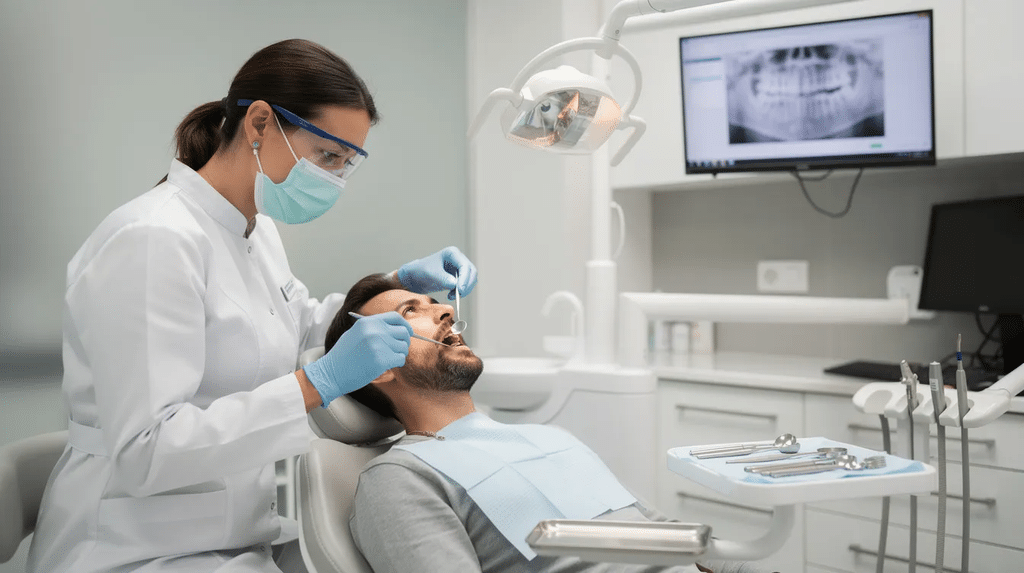
You might not even know you’re losing bone; it’s only visible on an X-ray. The trick here is to catch it before the symptoms get obvious.
Watch out for these warning signs; it’s worth seeing a dentist or specialist early on :
- Loose or shifting teeth
- Spaces between teeth that are new or just getting worse
- Receding gums or bleeding gums; that’s a real problem.
- Dentures suddenly getting loose.
- Your bite is getting off, or your facial structure around your mouth has sunken.
Early consultation allows more conservative, less invasive options. Advanced cases may still be treatable but usually require more extensive bone regeneration procedures. Prevention and treatment go hand in hand; the earlier you act, the more of your natural bone you preserve.
FAQ
Can jawbone loss be completely reversed once it has started?
Severe jawbone loss cannot naturally reverse, but bone grafting can restore enough bone to support dental implants. Treatment focuses on preventing further loss and rebuilding bone where needed. Early intervention improves results.
Can I stop bone loss in my jaw without getting dental implants?
Good oral hygiene, treating gum disease, and preserving natural teeth can slow bone loss. However, dentures and bridges generally cannot prevent bone resorption where teeth are missing.
Is jawbone loss painful?
Early jawbone loss is usually painless. Discomfort often comes from infections, loose teeth, or gum inflammation. Regular dental checkups help detect bone loss before symptoms appear.