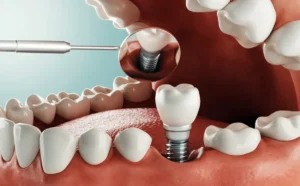

A composite filling that falls out can be pretty unsettling, but it’s usually no big deal if you move fast. Even if you’re not in pain, you should get in touch with your dentist ASAP because that exposed tooth is in a pretty vulnerable spot, and it’s a great opportunity for increased sensitivity, tooth decay and cavities, or further damage to take hold.
- Pick up the phone and reach your dentist within 24 hours, or the same day if you can; don’t wait too long.
- Letting the tooth go without treatment can lead to all sorts of problems down the line; in extreme cases, it could even end up needing some serious, expensive dental work.
- A good composite filling should last around 5-10 years, but it can fail earlier if it gets chipped, cracked, worn down, or has other problems.
- Treatment usually just involves getting a new filling or doing a more involved restoration like an inlay, onlay, crown, or whatever else is needed to get that tooth sorted.
What Are Composite Fillings?
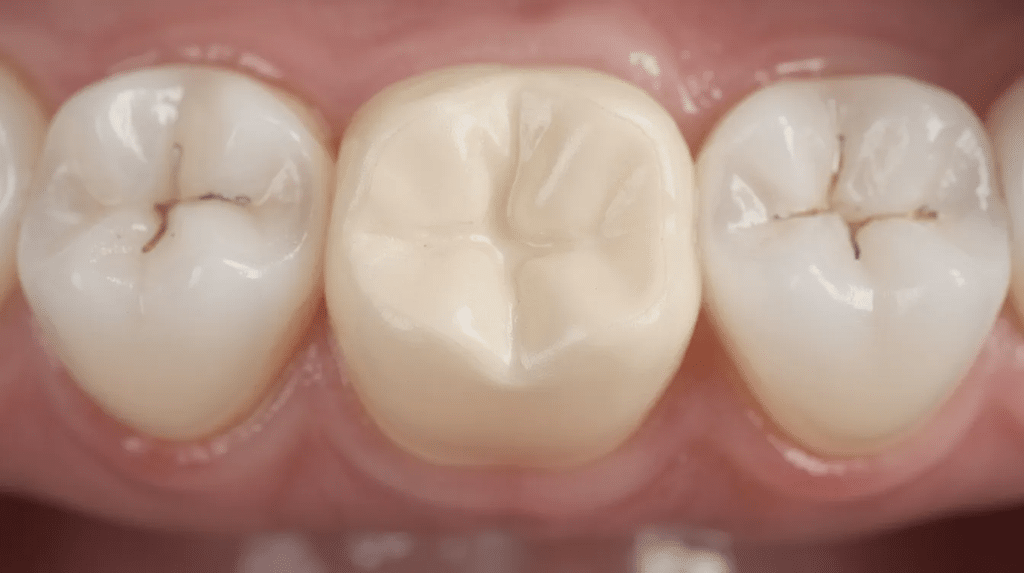
Composite fillings are these tooth-coloured pieces of work that dentists use to fill in holes in your teeth. They’re made from a mix of resin and glass particles, and they bond straight to your tooth, which is why they’re such a popular choice for fillings. Plus, they look really natural, and they tend to require less of your healthy tooth structure than old-fashioned metal fillings.
Provided you take good care of them, composite fillings should last for years to come. They’re not perfect, though, nor is any filling, for that matter, because factors like where they’re placed, their size, how well you brush and floss, and the state of your bite all come into play.
Why Do Most Composite Fillings Have A Tendency To Fall Out?
Composite fillings can fall out of your tooth weeks, months, or even years after they were put in, and sometimes, even pretty soon after because of some sort of problem during the procedure. In reality, fillings can fail because of all sorts of factors, a bit like how normal wear and tear, a bit of decay, grinding or clenching, or poor bonding can see them off. Most fillings fail due to a combination of all these issues.
Understanding what went wrong with your filling helps you navigate the system and make informed choices to prevent the next one from falling out.
When A Filling Falls Out Soon After It Was Put In
If you’ve got a filling that falls out within the first 4-8 weeks of getting it, it’s usually a good idea to have it checked out by your dentist. If things didn’t go right during the procedure, they may be able to redo the work for free, or at least at a reduced cost.
Normal Wear And Tear
Over time, daily chewing forces, temperature changes, and the general passage of time can weaken the bond between the tooth and the filling. If you’ve got a big filling in there, it’s probably going to be more of a high-risk situation.
Decay Around The Filling
When oral hygiene isn’t up to par, the gaps around a filling can become home to bacteria that start eating away at the surrounding tooth structure and cause decay. Brushing, flossing, and getting regular dental cleanings can help keep that risk down.
Grinding And Clenching
You know how we all grind our teeth from time to time? That can actually weaken your fillings and cause them to chip or loosen, especially if you’ve got a problem with clenching too. If you keep on having fillings that fall out, your dentist may want to take a closer look at your bite or recommend a night guard to try to stop it from happening again.
Bonding Issues
Composite fillings typically need a clean, dry surface to bond to properly, so if a tooth filling falls out shortly after it was put in, your dentist may need to take a closer look at the bonding to see what went wrong.
Trauma And Biting Down On Hard Objects
Collisions, biting down on ice cubes or really hard foods, or any other injury can cause a filling to come loose. Try not to use your teeth to open packages or whatever, and be careful during contact sports, just in case.
What To Do Immediately When A Composite Filling Falls Out
Okay, so this is probably not the most ideal thing that’s ever happened, but don’t freak out. Check the area out with a mirror, grab the filling and put it in a clean container if you can, rinse your mouth, protect the tooth, and give your dentist a call. Usually, getting in there ASAP means you can just get a new filling and avoid more serious complications down the line. All your home remedies are just a temporary fix until a proper repair can be completed.
Call Your Dentist First
Give them a call as soon as you can, ideally the same day, if not within 24 hours. If you’re feeling excruciating pain, have swelling, or had the filling put in not long ago, let them know because these are situations that might need a bit more urgency.
Keep The Area Clean
Rinse with some warm salt water and give that tooth a gentle brush to get rid of food debris. Keep the area as clean as possible to prevent bacteria and give yourself the best chance of protecting that tooth until you get to the dentist.
Don’t Eat On That Side
Avoid eating on the side of your mouth where the filling fell out until it’s all fixed up. Eat some soft food and steer clear of anything too hard or sticky.
Temporary Fix-Up Options
Some temporary filling materials or dental wax might provide a bit of a short-term, common solution, but they’re only that: temporary. Never, ever try to fix the tooth with household glue or other random household items; it’s not worth the risk.
What Happens If You Leave A Missing Filling Untreated?
Leaving a filling out for weeks or months down the line can be really bad news, because, in a nutshell, it puts your tooth at real risk of all sorts of problems down the line. A missing filling opens up the tooth to all the bad stuff that can get in, and the longer it takes you to get in to your dentist, the more chance there is that you’ll need to do some serious work to sort it all out.
You’ll Get Sensitivity
Exposing the dentine in your tooth can make it super sensitive to hot and cold foods; pain in your tooth isn’t exactly fun to deal with.
New Decay
A missing filling allows bacteria and plaque to build up in all the nooks and crannies around your tooth, which increases the chances of getting some new tooth decay. The sooner you get in to your dentist, the less chance there is that this will happen.
Tooth Fracture And Structural Damage
A tooth that’s been left without a filling is going to be weaker than normal, and that makes it more prone to cracking or breaking under constant pressure. If you’ve got a big crack going on, you might need to get a crown or onlay put in to fix it.
Infection, Root Canal, Or Extraction
Eventually, if you neglect your missing filling, new decay can cause serious infections, which can lead to needing a root canal, or even worse, having to pull the tooth altogether. It’s not something you want to risk. Untreated decay can cause nothing but trouble & pain; it’s a nightmare to deal with
How Your Dentist Will Fix a Lost Composite Filling
Your dentist will take a good, hard look at the affected tooth, get an X-ray to see what’s going on & then tell you what they think you need. Treatment is all about the least invasive option that will protect the tooth long term. That can range from a simple new filling all the way up to inlays, onlays, crowns, or even root canal therapy. More often than not, a recently lost filling just needs another filling and a prompt fix.

New Composite Filling
If the tooth itself is still healthy, a dentist can clean the area up & slap a new filling in.
Inlay or Onlay
Larger areas of damage might call for an inlay or onlay to give that tooth some extra strength while also keeping as much of the natural structure as possible.
Crown
A crown is called for when a lot of the tooth structure is lost, or the tooth is at serious risk of breaking.
Root Canal Treatment
If the decay or damage has reached the nerve, root canal treatment might be the only way to go before you can get a final restoration.
Cost Considerations
The cost is all going to depend on just how much damage has been done & what treatment you need. As a general rule, a simple filling replacement is going to be a lot less expensive than an inlay, onlay, crown, or root canal
The sooner you address the issue, the better; you’ll save yourself a lot of money & hassle in the long run. Trust us on this one
Typical Costs for Common Treatments
| Treatment | Approximate US Cost Range |
| Small composite filling (1 surface) | $90–$200 |
| Multi-surface composite filling | $200–$400+ |
| Inlay or onlay | $500–$1,200 |
| Crown | $800–$1,500+ |
| Root canal + crown | $1,500–$3,000+ |
And just for kicks, the national median cash price for a two-surface composite filling on the back tooth is around $212; don’t know if this is any consolation, though. If your filling falls out real quick, in the first year, some practices will just fix or redo it for you at a reduced or no cost, so always ask
How to Keep Composite Fillings from Falling Out Again
Alright, no filling is going to last forever, but with good habits you can get them to last a hell of a lot longer, 5 to 10 years with proper care & a bit of luck. If you’ve lost a bunch of fillings already, run that by your dentist so they can give you the once-over for underlying issues like grinding your teeth or acid erosion
Daily Oral Hygiene & Diet
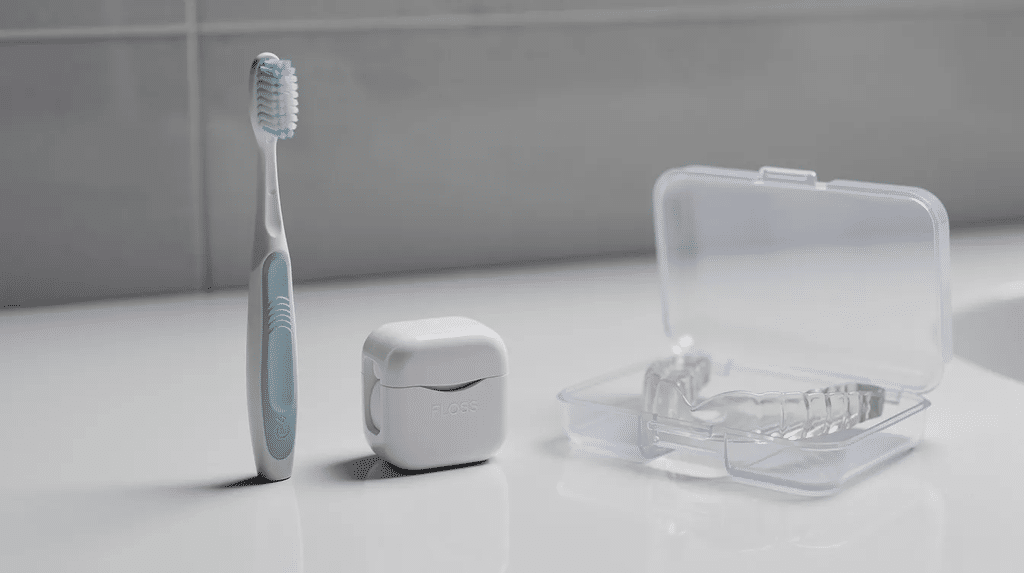
Good oral hygiene is essential; brush your teeth twice daily, floss every now & then & use fluoride toothpaste to keep the decay at bay around your fillings. Limit sweet foods, acidic foods, and drinks that can eat away at your enamel.
Protecting Teeth from Excessive Force
If you tend to grind your teeth in your sleep, then a night guard can come in real handy to protect those fillings from getting chipped or cracked. Avoid hard or sticky foods, chewing gum, don’t go around chewing ice & don’t use your teeth as a tool to cut things; it just seems like common sense.
Regular Dental Checkups & Early Repairs
Don’t be a stranger to your dentist; get regular checkups, address sensitivity or any rough spots, or bite changes early on; that’s the only way to catch any problems before they become major issues & get you calling your dentist in a panic.
FAQ
Is it an emergency if my composite filling fell out but I have no pain?
A painless lost filling is usually not an immediate emergency; you don’t need to see your dentist immediately, but it should be repaired with prompt treatment. Contact your dentist to schedule an appointment and watch for symptoms like sensitivity, swelling, or difficulty chewing.
How soon should I see a dentist after a filling falls out?
Call your dentist immediately and try to be seen within 24–72 hours, especially for teeth used for chewing. Seek same-day care if you have severe pain, swelling, or a visible fracture. Mention if the filling was recently placed, as it may require priority evaluation.
Can I eat normally if a filling fell out?
Avoid chewing on the affected tooth until it is repaired. Choose soft foods and avoid very hot, cold, sticky, or hard foods that may irritate or damage the exposed area. Keep the tooth clean by rinsing after meals.
Why did my brand-new filling fall out so quickly?
A recent filling failure may result from poor bonding, bite pressure, grinding, or trauma. Tell your dentist when it happened and any sensations you noticed after placement. Recent failures can often be reassessed and repaired.
Do composite fillings fall out more often than silver fillings?
Composite fillings can be more sensitive to placement conditions, but longevity depends on several factors like filling size, tooth location, bite forces, and oral hygiene. Your dental professional can recommend the best material based on your specific situation.