
Are veneers worth it as an investment? Well, that depends; it’s all about what you’re after, how much you’re willing to spend, what you expect to get out of the procedure, and whether you can commit to keeping those nice new teeth for the long haul.
If you’re considering veneers, they are a great option for folks looking to fix chips, stains, gaps between teeth, and, of course, teeth that just aren’t perfectly even, immediately enhancing their aesthetics and your confidence.
But here’s the thing: veneers require some enamel to be chipped away, modifying your natural tooth structure; the process is permanent, and you’ll need to take proper care of them, like avoiding hard foods to prevent damage and keep them looking their best.
Porcelain veneers are super durable and have great stain resistance, usually lasting around 10-15 years if you look after them properly, so they are often considered a permanent solution. Composite veneers are a bit more affordable, and while they are still a long-term solution, these veneers may need replacing after around 5-7 years.
What Are Dental Veneers, Exactly?
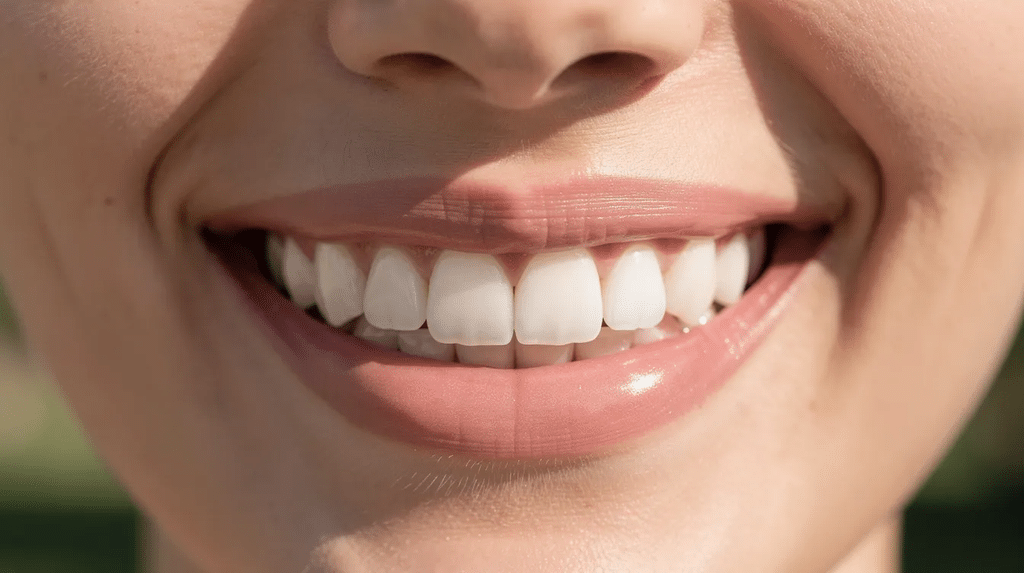
So, what are veneers, anyway? They’re basically thin custom-made shells that the dentist sticks over the front of your teeth to improve their look, feel, and overall appearance, providing you with a confident smile. They’re usually made from either porcelain or some kind of composite resin.
Porcelain veneers are natural-looking, super durable, and can withstand just about anything you throw at them (food-wise, of course). Composite veneers, on the other hand, are a bit more affordable, can be fitted a bit quicker, and do the job, but they tend to need replacing a bit sooner.
Veneers are great at sorting out a bunch of common cosmetic issues, discoloration, small gaps, worn enamel, chips, and minor unevenness, for example. But here’s the thing: they won’t fix any underlying problems you may have, so stuff like cavities, gum disease, or issues with the way your teeth fit together need to be sorted out first.
How Do Porcelain Veneers Work?
The whole veneer process usually takes a couple of visits to the dentist.
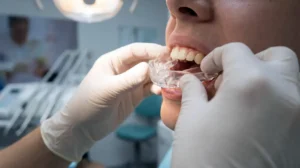
First up, the dentist will do a consultation to check out your teeth and chat with you about what you’re hoping to achieve: a brighter smile. Preparation involves chipping away a bit of enamel to make room for the new veneer. The dentist will then scan or take impressions of your teeth to create the perfect veneer.
At the final appointment, they’ll check that the veneer fits, looks, and feels just right, then stick it in for good. Some people find they get a bit of sensitivity or gum soreness after the procedure, but that usually sorts itself out in a few days or weeks.
Pros and Cons About Veneers
So, why do people love veneers so much? Well, for starters, they can fix loads of stuff about your smile all at once. Plus, they look super natural, are stain-resistant, are faster to sort out than orthodontic treatment, and last a pretty long time if you look after them.
Porcelain veneers are great because they can stay looking perfect for years to come, which makes them a pretty good option for people who are looking for a bit of long-term predictability in their smile.
Now, veneers aren’t for everybody; that’s because the process is permanent and you’ll always need to have some kind of restoration on your teeth after you’ve had one fitted. Some people also experience a bit of sensitivity, especially after the enamel is chipped away, and veneers can chip or crack if you’re in the habit of grinding your teeth or chewing hard foods.
If the veneers aren’t fitted properly, they can also cause some potential drawbacks with your gums or bite, which is why it’s so important to choose a skilled cosmetic dentist. And, of course, veneers do need to be replaced eventually, which means the cost keeps going up over time.
How Much Do Veneers Cost, And How Long Do Veneers Last?
The price of a single porcelain veneer can range from $900 to $2,500, depending on where you are, what materials the dentist is using, and how skilled they are. Composite veneers are usually a bit cheaper, but they don’t last as long.
Factors affecting lifespan include:
- Teeth grinding
- Smoking
- Oral hygiene habits
- Diet
- Regular dental visits
With proper care and regular dental visits for maintenance, porcelain veneers can last around 10 to 15 years, but they can last even longer if you’re really good at looking after them.
Who Should Get Veneers, And Who Shouldn’t
So, who are veneers for? Well, for starters, they’re great for adults who have healthy teeth and gums and are looking to sort out some cosmetic issues. That might include stains that won’t come out with whitening, small gaps, minor unevenness, or chips on the front of your teeth.
But, on the other hand, veneers aren’t for people with untreated cavities, active gum disease, or problems with the way their teeth fit together, or for people who just want a really quick fix with no long-term commitment.
What Are The Alternatives To Veneers?
So, if veneers aren’t the ticket, what else can you do? Well, there are a few other cosmetic options you might want to consider.
- Teeth whitening is a good option if you just want to sort out some discoloration.
- Dental bonding is a good way to fix small chips or gaps
- Braces or Invisalign are great if you’ve got alignment problems
- Crowns are a good option if you’ve got a tooth that needs to be fully covered
Each option has its own pros and cons, so it really pays to do your research and figure out which one is right for you.
Are Veneers Worth It? Here’s Some Final Thoughts
So, are veneers worth it? Honestly, it’s a personal decision. They’re worth it if you want a quick, long-lasting cosmetic fix and can accept the cost and commitment that comes with it. But they’re not worth it if you’re looking for something super quick and easy with no long-term consequences.
If you want to get a really clear idea of whether veneers are right for you, the smartest next step is to book a consultation with a skilled cosmetic dentist; they’ll be able to advise on whether veneers are the best option for your teeth, budget, and goals.
FAQ
Do veneers ruin your natural teeth?
Veneers do not ruin teeth when properly placed, but in order to be shaped, they require removing a thin layer of enamel permanently. With proper preparation, hygiene, and regular care, the underlying teeth can remain healthy for years. Choosing an experienced cosmetic dentist helps reduce risks like tooth sensitivity or complications.
Can you get cavities with veneers?
Yes. Veneers only cover the front surface of teeth, so cavities can still develop around the edges or underneath. You’ll need to floss daily, get used to regular brushing, and visit the dentist. This will help protect both your veneers and natural teeth.
Can veneers be whitened if they start to look darker?
Discolored porcelain veneers cannot be whitened with a regular teeth whitening treatment because their color does not change with bleaching. If needed, surrounding teeth can be whitened to match, or veneers can be replaced with a lighter shade. Discussing your desired shade before treatment helps achieve lasting results.
Is the veneer procedure painful?
Most patients experience little discomfort with local anesthesia. The procedure usually feels like pressure or vibration rather than pain. Mild soreness or potential sensitivity afterward is possible but typically improves within days to a couple of weeks.
Are veneers reversible if I change my mind later?
Porcelain veneers are not reversible because natural enamel removal is permanent. If removed, teeth will still require protection with another restoration. If you are unsure, less permanent options like bonding or whitening may be worth considering first.