
Matcha just seems like the cleaner, more laid-back option, bright, earthy, and smooth. Yet it can come as a shock to catch a glimpse of your smile and wonder if your beloved green drink is responsible for dulling it up.
The reality is that drinking tea, especially matcha, can leave its mark on your teeth, but it’s usually not the one causing the most damage. With matcha, the amount of staining has a lot to do with how often you drink it, how long it lingers on your teeth, the amount of plaque hanging around, and how well you keep up with your oral care routine to prevent stains from setting in.
So, Does Matcha Stain Teeth?
The short answer: yes, matcha tea can stain your teeth; it contains natural pigments and tannins. But matcha green tea generally has a lower tannin content, with fewer tannins than coffee or black tea, though it can still stain over time. Regular brushing, rinsing your mouth after drinking, and getting in for regular cleanings can help to keep discoloration at bay, especially since frequent intake and overall consumption habits affect how much staining develops.
You’d be surprised how often staining is more about than just the drink itself. Plaque buildup, tartar, rough tooth enamel, and older dental work make it more likely for stains to cling to your teeth. Drinking matcha throughout the day or frequently knocking back sweetened matcha drinks also ups the risk of staining over time.
Why Does Drinking Green Tea Stain Teeth?
Matcha is made from finely ground green tea leaves that essentially dissolve in the drink. That means staining is a process in which tiny particles, pigments, and natural compounds like tannins and chlorophyll keep coming into contact with the tooth’s enamel, the tooth’s outermost layer, and build up over time; rough or weakened enamel is more susceptible to pigment pickup.
Your risk of discoloration goes up when you drink matcha frequently, take your time sipping it, or don’t do a great job of keeping your teeth clean afterwards. Plaque buildup, tartar, and those hard-to-reach areas around your teeth can make pigments from beverages like matcha, coffee, and red wine all the more likely to cling to the tooth surface, making stains look even worse.
Tannins and Pigments Stick to Plaque
Plaque is that sticky film of bacteria that naturally builds up on your teeth, making stains more noticeable because they cling to it so much more easily than a clean tooth surface. Drinking matcha regularly can make a dull, yellowish appearance more likely, especially in areas where plaque likes to hang out.
And if plaque isn’t removed early, it hardens into tartar, which can’t be removed by brushing alone, and stains can start to look even more pronounced. Getting in for regular cleanings helps remove plaque and tartar buildup, and regular dental visits and professional cleanings can reduce stain retention and leave your teeth looking brighter and more even.
Feeling Worried About Staining Your Bright Smile? Just Use a Straw!

The way you drink matcha can have a big impact on its staining potential, and these simple tips can help reduce it. Knocking it back with a meal, finishing it relatively quickly, and rinsing your mouth with water afterwards can help reduce the time stains have to cling to your teeth. These steps help prevent matcha from staining the front teeth and help prevent surface discoloration. On the other hand, sipping matcha slowly over several hours can increase the exposure and make surface stains more likely.
And if you like to sweeten your matcha drinks, be aware that this can contribute to staining by encouraging plaque buildup, and you know what they say about hiding stains where they won’t be seen. Using a straw, especially with iced matcha, might help reduce contact with the front teeth and keep discoloration at bay; waiting a bit before brushing can also help prevent staining and avoid damaging enamel.
Drinking Matcha vs. Coffee, Black Tea, and Green Tea
Matcha is generally considered to have lower potential staining than coffee or black tea, but it can still contribute to discoloration over time. Coffee and black tea can cause pretty noticeable stains because of their darker pigments, while matcha may lead to more subtle changes like dullness or mild yellowing. In comparison, other beverages can stain more aggressively because of darker pigments or higher tannin levels.
Because matcha contains finely ground tea leaves, pigments can stick around on your teeth for longer than with traditional tea. But staining isn’t just about the drink itself; it’s also about factors like plaque buildup, your drinking habits, and how well you brush and floss. Matcha also does not usually carry the same high levels of staining risk seen with coffee or black tea. Regular cleaning and the like can help keep discoloration in check while still letting you enjoy matcha.
Will a Matcha Latte Stain Your Teeth More Than Plain Matcha?
Drinking matcha latte can still stain your teeth, and different forms of matcha, especially lattes, may change how long pigments stay on teeth, even though the drink still contains the same staining compounds, tannins, and matcha particles as regular green tea. Even though milk may make the drink look lighter, it doesn’t eliminate its potential for staining your teeth. Staining risk is often more down to the way we drink our matcha drinks than the latte itself. You can end up exposing yourself to pigments for longer periods if you keep sipping those sweetened matcha lattes for hours, which just means more chance of you getting unsightly plaque buildup and staining on your teeth. To keep discoloration at bay, try drinking some water after you’ve had your matcha, avoid letting the drink sit in your mouth for ages, and if you consume it over a long period, remember that prolonged sipping raises the risk of staining; generally keep your teeth clean by brushing & flossing regularly and seeing your dentist for a professional clean every now & then.
Having Good Oral Hygiene Helps Prevent Matcha Stains Without Giving Up the Good Stuff
You don’t have to chuck matcha out of your life entirely if you want to protect your smile. The thing is, you don’t have to do a lot; just a bit of common sense will help. The key is to reduce the amount of time that those pigments sit on your teeth and to keep plaque from becoming a big problem. Matcha still has oral-health benefits, since its catechins have antibacterial properties that help curb harmful bacteria linked to cavities and gum disease, which supports dental health. Its chlorophyll also has the ability to support fresher breath and neutralize acids, while fluoride can help strengthen the dental enamel.
Small changes can really add up, especially if you drink matcha every day. Take a minute to rinse, be more mindful about how you drink your matcha, and keep your teeth clean with a bit of regular brushing & flossing, that’s the key to making a real difference over time.
A Simple Matcha-Friendly Everyday Routine
If matcha is a regular part of your daily routine, then try this:
- Drink a glass of water to rinse the pigments and loose particles away after your matcha.\
- Try not to sip on your matcha all day long; have it in one go rather than stretching it over several hours.\
- Use a straw for your iced matcha, that way the front teeth don’t get exposed to the drink.\
- Brush your teeth regularly, but don’t scrub too hard. Twice a day with fluoride toothpaste is probably enough, and wait at least 30 minutes after drinking matcha before you brush.\
- Make sure to clean between your teeth daily, floss, or use interdental brushes to get rid of plaque where stains love to hide.\
- Get your teeth professionally cleaned, which removes tartar, polishes off surface stains, and helps to keep discoloration from building up.
If your matcha is sweetened, then water is even more important; sugar can help plaque buildup, and that’s just a big stain magnet.
Don’t feel the need to brush your teeth right after every cup of matcha. If your mouth feels acidic or you’ve just had a sweet drink, then rinse with water first and wait 30 minutes before brushing, since acidic drinks can temporarily soften enamel, and giving it at least 30 minutes helps protect it. Gentle care will always be kinder to your enamel than scrubbing like crazy, and it’s one of the easiest home steps to prevent teeth discoloration and keep your smile bright.
How to Remove Matcha Stains From Your Teeth
Most matcha-related stains are just surface stains that will come off with a bit of proper oral hygiene practices, some proper plaque control, a whitening toothpaste, and a professional cleaning. Where discoloration is down to plaque & tartar buildup, a cleaning can make a big difference.
However, not all stains are as simple as that. Discoloration can also be caused by enamel wear, aging, medications, tooth decay, trauma, or older dental work. If your stains don’t improve with a bit of routine care, then a dentist can help figure out the cause and recommend the best treatment.
When Whitening Might Help
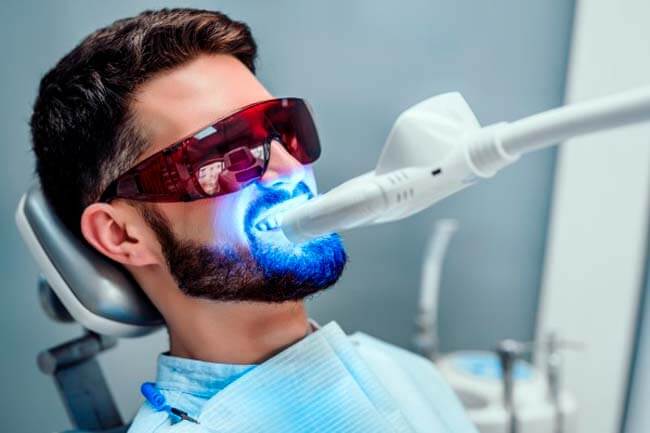
Professional teeth whitening treatment can be a good option if the discoloration is just due to staining of your natural enamel. If coffee, tea, matcha, or other foods have left your smile looking a bit dull, then whitening might be something to have a chat with your dentist about.
A professional clean removes plaque, tartar, and some surface stains, whitening changes the shade of your teeth, so for many people, the best order to do things is just to start with a clean, then have a chat with your dentist about what the true tooth colour is.
When Whitening May Not Be Enough
Whitening only affects your natural enamel and doesn’t somehow make your crowns, veneers, or fillings whiter, too. As a result, the old restorations might look the same as they always have, even if the rest of your teeth whiten up. This can sometimes create some uneven colour differences.
If that’s the case, then your dentist can have a look and figure out whether the mismatch is because of old restorations, surface staining, or other cosmetic issues. Depending on the situation, they may be able to do some polishing, do some shade matching, replace some old dental work, or consider some other cosmetic treatment to get everything looking more even.
When to Ask a Dentist About Tooth Stains
If tooth discoloration doesn’t improve after a bit of brushing & flossing, if it keeps coming back, is looking uneven, or if it’s accompanied by some sensitivity, rough bits, or dark spots, then it’s probably time to get a check-up, especially if you’ve shown visible discoloration or patchy stain patterns during an exam. A dentist can figure out whether the stains are just surface stains or if there is something more going on.
It’s also worth talking to dentists if you’ve got crowns, veneers, bonding, big fillings, sensitive teeth, or some history of enamel wear. They can identify the cause of the discoloration, recommend the best course of action, and advise on regular dental health maintenance, too.
Getting Smile Guidance in Tijuana with ODS
At Olive Dental Solutions in Tijuana, we start with a chat about what’s going on with your smile. We then work out which treatment makes the most sense for you. Our goal is to understand you, not just sell you a treatment.
What to Expect From Our Practice
We’ve got a few things going for us: staff who speak both languages, straightforward communication, high-quality equipment and materials, & prices that are never any kind of surprise. If you’re flying in from elsewhere in the world, we’d be happy to help out with such things as organising transport, helping with travel plans, or even finding a place to stay when needed.
Keep Enjoying Matcha While Protecting Your Oral Health
If you’re wondering whether matcha will stain teeth, you don’t have to lose your smile just because you love it. Stains on the teeth aren’t necessarily an inevitable result of drinking matcha; it’s more often about how often you drink it, how well you look after your teeth, how long you leave it in your mouth & how you take care of your gums in general, and mindful consumption with good habits can help stop noticeable discoloration on teeth over time.
Drink a glass of water after your matcha, try not to sip it for ages, brush regularly to keep on top of plaque, and remember to get your teeth cleaned by a dentist at regular intervals to keep your oral health on track. If the stains are really causing problems, a dentist can help figure out whether a good cleaning, a whitening treatment, some new veneers, or something else would be the best way to go.
Matcha and Your Teeth, FAQs
Does matcha stain teeth more than coffee?
Mostly no, drinking coffee tends to leave more obvious stains and usually causes more noticeable staining or discoloration because the colour is just so much darker, but matcha can still cause surface stains if you drink it a lot or let plaque get out of hand, and with heavy use, teeth and even the tongue can turn slightly dull or greenish-looking.
Will whitening work to remove matcha stains?
It can, but only on natural teeth. If you’ve had fillings, crowns, veneers, or other treatments, then whitening is not going to do the same job, so a dentist would be a good person to talk to beforehand.
Is matcha actually bad for your teeth?
No, it’s what happens when you drink it a lot, add loads of sugar, or don’t sort out your plaque problems and forget to brush and floss properly. Another reason many people still drink it is that it makes matcha a bit more balanced from an oral-health standpoint, since its chlorophyll and catechins can help limit bacterial buildup, so it isn’t automatically harmful when your habits are good.