
Dental implants can be a fantastic solution for replacing missing teeth, but a sudden bad taste coming from a dental implant can be a nasty surprise. Whether it pops up just after dental implant surgery or months later, that weird taste in your mouth deserves some serious attention. Here’s the lowdown on what might be causing it, when you should start to get worried, and what to do about it.
- A constant bitter taste or stinky taste around a dental implant is usually caused by infection, trapped food particles, or poor oral hygiene habits.
- Any foul or metallic taste that lasts more than 3-5 days after surgery or starts months later needs an urgent check-in with your implant dentist, pronto.
- Peri-implantitis (infection around the implant site) is a leading cause and can lead to implant failure if you don’t get it sorted.
- Pain meds, minor bleeding, or temporary nerve irritation can cause a metallic or bitter taste that usually sorts itself out as the healing process progresses.
- With proper oral hygiene, regular dental check-ups, and early treatment, most taste problems sort themselves out without you losing the implant.
Why You Might Notice a Constant Bitter Taste Coming From A Dental Implant
A nasty taste after dental implants doesn’t necessarily mean the implant is on the way out. Plenty of patients report experiencing taste disturbances at different stages, and the timing is everything.
A bad taste can pop up right after implant surgery (first 1-2 weeks) or months and years later. The timing gives you a clue about what might be going on:
- Infection around the implant (peri-implantitis, abscess)
- Poor oral hygiene and food particles stuck around the implant area
- Crown or prosthesis problems (loose fit, excess cement)
- Allergic reactions or metal sensitivity
- Nerve irritation, certain meds, or non-dental issues like sinus infections or acid reflux
Pay attention to how long the taste lasts, whether it’s metallic, sour, or foul, and whether you’ve got any other weird symptoms like pain, swollen gums, or pus. A temporary metallic taste that fades within a week is a world of difference from a persistent bitter taste that gets worse.
When a Bad Taste Coming From Dental Implant May Mean Something Serious
The most pressing causes of a lingering bad taste are all about inflammation and bacterial infection around the implant site that can damage the supporting bone. These problems can develop weeks, months, or even years after placement, especially if you’ve got poor oral hygiene or are a smoker. Getting the right diagnosis might need X-rays, probing around the implant, and looking into conditions like diabetes that affect dental health.
Peri-Implantitis (Infection Around The Implant Site)
Peri-implantitis is a common infection around dental implants, similar to gum disease that affects natural teeth. Studies say it affects around 20% of implant patients. Infection around the implant can cause a persistent bad taste, and if left untreated, infection can lead to implant failure.
Symptoms of dental implant infection include a bad taste and swelling, along with:
- Bad breath and a funky odor near the gum
- Bleeding gums when you brush around the implant
- Gum recession or exposed implant threads
- Bone loss is visible on X-rays
Risk factors include poor oral hygiene, smoking, a history of gum disease, and uncontrolled diabetes. Treatment starts with a deep clean from your dentist, antiseptic irrigation, and prescribed antibiotics. Advanced cases might need surgical cleaning, bone grafting, or implant removal.
Abscess, Pus, and Fistulas Around The Implant
A dental abscess forms when bacteria invade pockets around the implant or under the implant crown. Bacterial infection can cause a lingering bad taste after surgery, especially when pus drains into the mouth.
Signs include a salty or foul taste in your mouth, a visible pimple (fistula) on the gum near the implant, throbbing pain, and localized swelling. This is a dental emergency; get immediate dental care to protect the bone and surrounding teeth. Treatment involves draining the abscess, cleaning the surgical site, administering antibiotics, and sorting out any structural causes, like a loose crown trapping food particles. Ignoring an abscess risks further complications and threatens your overall oral health.
Sinus and Upper-Jaw Implant Complications
Upper jaw implants in the back molar area sit close to the sinus cavity. A poorly positioned implant can irritate or infect the maxillary sinus, causing overlapping symptoms: postnasal drip with foul taste, pressure in the cheeks, congestion, and a bad smell when swallowing.
Sinusitis related to an implant may require both dental and ENT evaluation, imaging, and sometimes repositioning or removing the implant. A persistent bad taste along with sinus symptoms weeks after upper jaw implants shouldn’t be dismissed as “just a cold.” Get some expert advice for coordinated care.
Less Serious (Often Temporary) Reasons For A Bad Or Metallic Taste
Not every taste change means something’s wrong. Some are normal parts of the healing phase and tend to sort themselves out. The key difference: temporary causes improve steadily, while problems persist or worsen beyond 2-3 weeks.
Minor Bleeding, Healing Tissues, and Those Dreaded Sutures
You know, that metallic taste can come from minor blood-tinged bleeding during healing. After a dental implant procedure, the first 24 to 72 hours can bring a pretty common side effect, a metallic or bloody taste from mixing blood with saliva. Some people might experience a temporary switch in how things taste while they’re healing, all thanks to those sutures, some healing gels, or a temporary cap.
Most of the time, as long as the pain and swelling are slowly getting better without any strong odors or signs of infection, then this early metallic taste is basically nothing to worry about. Just follow your post-op instructions, and you’ll be fine: bite on that gauze for a day or so, avoid strenuous mouth rinsing until day two, and then you can start doing some gentle saltwater rinses. But if you’re still bleeding or getting a bad taste four or five days later, be sure to get in touch with your dentist, pronto.
Medications Can Leave a Not-So-Sweet Taste In Your Mouth
Antibiotics or painkillers can sometimes leave you with a metallic aftertaste that’s not exactly pleasant. And if you’re using those chlorhexidine mouth rinses, you might just be in for a bitter taste that kicks in within a day or two and then settles down once you stop using them.
Don’t stop taking your prescribed antibiotics without checking with your dentist first- just stay hydrated and keep your mouth clean to help cut down on the nasty taste. If you get that bitter taste and it lasts more than a week after you’ve stopped taking your meds, it’s probably something else going on, but it’s always worth checking in with your dentist just in case. And keep in mind, some long-term meds for blood pressure, or mood can also affect your taste buds, even if you don’t have an issue with your dental implant.
When Dental Implants Cause Nerve Irritation
Now and then, implants put in near some of those sensory nerves in your lower jaw can cause some nerve irritation, such as a stinging sensation, numbness, or an unusual taste that’s sort of metallic or electric. But usually, that goes away over weeks or months as the tissue heals up.
But if you do experience any sudden severe numbness or burning pain right after surgery, you should probably get in touch with your dentist within the 24-48 hour mark. Nerve irritation can definitely play with your taste buds a bit, but if you start to get that foul or sulfur taste, that’s more likely an infection of some kind.
When Poor Oral Hygiene Issues Are The Main Cause
Even if your implant is perfectly placed, a bad taste can still pop up if you’re not doing a good enough job cleaning up around it every day. Of course, poor oral hygiene is probably the most common cause of that lingering bad taste, and it’s also the one thing that you can actually do something about.
When Food Particles Get Trapped
You know how food gets stuck in between the implant crown and your other teeth? Well, that can cause a bad taste as those particles start to break down inside your mouth and produce some stinky sulfur compounds, like, yep, you guessed it- bad taste and mouth odor.
To help avoid all this, you can try:
- Brushing with a soft toothbrush twice a day
- Floss threaders or implant-specific floss to get all that trapped food out
- Interdental brushes sized for your gaps
- Water flosser for those hard-to-reach spaces
Just try to rinse with water after every meal to get rid of any loose food particles and then get in to see a hygienist every six months for a cleaning that’s actually designed for your implant.
Plaque, Tartar, and Gum Inflammation, Before Things Get Worse
Now and then, early gum inflammation (mucositis) can cause a bad taste and some gum irritation, and of course, it’ll make your gums bleed a bit when you brush. But the good news is that if you catch it early enough, you can actually reverse all that.
So, daily habits for keeping proper oral hygiene would be:
- Brushing at the gumline
- Cleaning under the implant bridges
- Using a mouthwash that’s got some antibacterial properties (but not too harsh- we don’t want to irritate those gums even more)
When Implant Materials Start to Cause Some Issues
Most dental implants are made from titanium, which is a pretty biocompatible material. But some people might have an issue with titanium implants, maybe they’re sensitive to it, or perhaps there’s some corrosion going on that’s affecting their taste buds.
True allergies to titanium are pretty rare, only about 0.6% to 6.3% of people, but it’s worth checking out if you’re getting a nasty metallic taste and all the usual treatments haven’t worked.
If you are one of the unlucky ones, you might want to ask about switching to some zirconia implants or alternative abutment materials that are titanium-free.
Allergic Reactions to Implant Materials
If you keep getting that metallic taste even after you’ve sorted out your oral hygiene and infection issues, you might actually be having an allergic reaction to titanium. Symptoms can include an ongoing metallic or bitter taste, red gums disproportionate to plaque buildup, a burning sensation, or just a general feeling of discomfort around that implant.
Some people with a history of allergic reactions might be more prone to this sort of thing, so it’s worth keeping an eye out for any potential issues. And if you do get a diagnosis, your dentist may need to do some allergy testing to confirm it, and then work with you to figure out a plan to change out the abutment material or maybe even replace the whole implant with something non-metal.
Metal-Metal Interactions
Now and then, galvanic reactions can pop up between different metals in your dental work, like if you’ve got an older amalgam filling right next to your titanium implant, or some metal crowns. These little electrochemical reactions can cause a pretty annoying metallic taste that persists without actually meaning the implant is failing. How the taste you experience is affected by the composition of your saliva, the pH levels & having a dry mouth is worth bringing up with your dentist when you go to review any metal restorations that are close to the implant. Plenty of people adapt over time, but where there are persistent problems, then it’s worthwhile getting a full restorative review in place.
Crown, Bridge, and Prosthesis Problems That Cause a Bad Taste
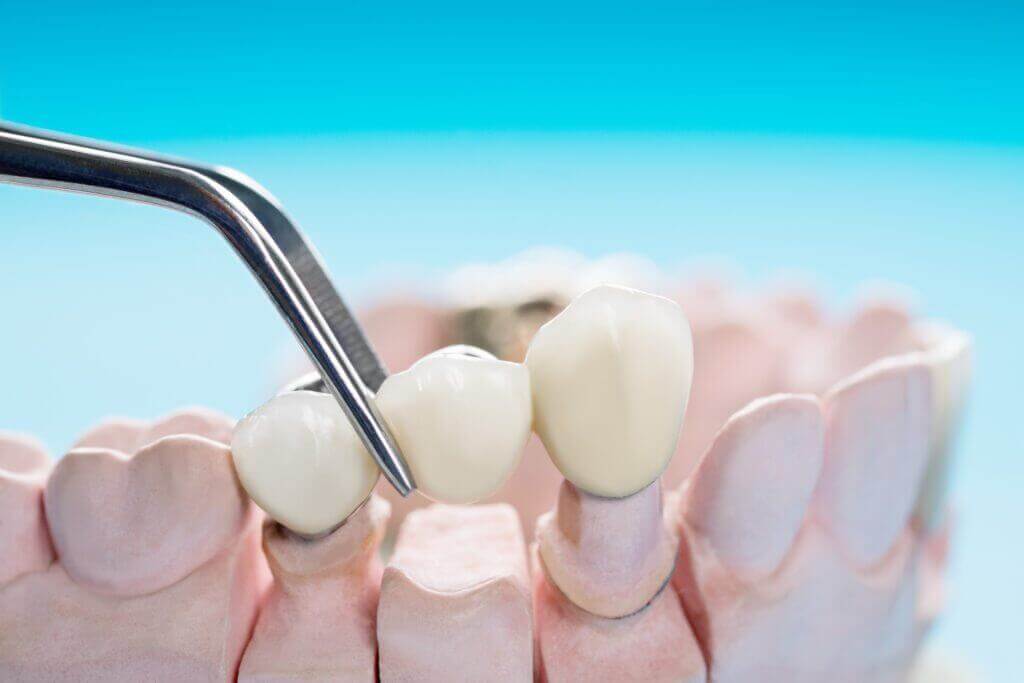
Oddly enough, even when your implant itself is in good health, the visible bit, your denture, bridge, or crown, can still cause a bad taste. Issues caused by microgaps, poor fitting, or loosened screws can lead to trapping of bacteria & food, creating a perfectly foul taste that’s quite unbearable. Problems can develop years later due to wear & tear, fractures, or gum recession.
Loose or Poorly Fitted Implant Crown
If the crown or the screw that holds it in place is loose, you end up with a hidden pocket where saliva, bacteria, and food particles accumulate. Typical warning signs include a crown that moves when you bite or food constantly getting stuck in the same spot.
Only a dentist is qualified to remove or tighten an implant crown. A typical repair involves unscrewing the crown, giving the area a good clean and disinfect, replacing any worn-out parts, and making sure it’s properly fitted in with the surrounding teeth.
Excess Cement and Residual Dental Materials
Some crown designs do rely on cement to be held in place. The trouble is that if there is excess cement left under the gums, it can irritate the tissues and harbour all sorts of bacteria, which then causes a bad taste. These problems can come up weeks or even months after crown placement.
If your dentist can simply lift the crown, clear out the cement, and have a look, sometimes switching to a screw-retained design is the best option. Any taste that is persistently bitter, starting shortly after having a crown put in, is a tip-off to look further into cement or margin issues.
Home Care: What You Can Do vs. When You Must See a Dentist
Home remedies can help sort out mild bad tastes, but they should never replace a proper check-up if you suspect an infection, allergic reaction, or nerve damage is at play. Think of it as a stopgap while you arrange a proper appointment.
How To Maintain Good Oral Hygiene Around Dental Implants
To keep your dental implants in good nick, you should be doing the following:
- Brush your teeth twice a day with a soft-bristle toothbrush and make sure you get the gum line where your implant is
- Floss once a day with floss threaders, always taking extra care to make sure you get into the spaces around the implant
- Use an antibacterial mouthwash that is alcohol-free, ideally once or twice a day
- Clean your tongue to stop bacterial growth that can lead to bad breath
- Arrange a professional clean at least every six months. Regular dental check-ups really help pick up on early signs of infection.
Diet, Hydration, and Lifestyle Factors
Stay hydrated to prevent dry mouth and all the problems that come with it. Saliva has a key role in neutralising bacteria & washing away debris. Dry mouth can actually make the sensation of taste even worse, so if you have a persistent dry mouth, be sure to talk to your doctor about it.
Eat less of those acidic foods, sugary snacks, and sticky foods that are just so hard to get out of your implant crowns. Avoid smoking; otherwise, it’ll just make things a lot worse, contribute to dry mouth, and leave you more prone to peri-implantitis & other implant complications. And alcohol-heavy mouthwashes are no good either; they can dry out your mouth, making bad taste even more noticeable.
To ensure proper healing, what you put into your body is just as important as maintaining good oral hygiene habits.
Clear Signs You Should See Your Dentist Promptly
If you’ve got a bad taste that persists and you’re also experiencing other symptoms, you really need to get to the dentist. Here are some red flags that require urgent care:
- A persistent bitter taste lasting more than a week or two
- Bad taste plus pain, throbbing or visible pus
- Swollen gums, or your implant moving around, or fever
- You suddenly get a bad taste months after everything healed up, especially if you’ve got gum recession
- Postnasal drip or facial pressure after upper jaw implant work
- Sudden numbness, severe burning, or shock-like sensations around the implant area
If a metallic taste lasts for more than a week, get to the dentist. Early diagnosis is so much simpler to treat, cheaper, and has a much better outcome for the implant.
This article is just informative; it’s always good to get a second opinion on anything and talk it over with your implant dentist to make sure your healing is on track.
Getting Dental Implants And Follow-Ups At Olive Dental Solutions
At Olive Dental Solutions, we understand that choosing dental implants abroad can feel overwhelming, especially when you’re thinking about long-term care. That’s why we’re committed to supporting our international patients every step of the way, from the initial implant placement to follow-up visits and aftercare.
Our team emphasizes regular checkups, professional cleanings, and early intervention if any concerns arise, helping patients protect their investment and maintain healthy, long-lasting results. Whether you need guidance during healing or prompt attention for unexpected symptoms, we’re here to provide personalized care and peace of mind, even after you’ve returned home.
FAQ
How long is a bad taste normal after dental implant surgery?
It’s normal to notice a metallic or unpleasant taste for the first few days after implant surgery, often because of minor bleeding. Most people start feeling better within a week. If the bad taste sticks around for more than two weeks or gets worse, it’s a good idea to call your dentist.
Could that horrible taste be coming from something other than my dental implant?
Absolutely. Things like acid reflux, sinus infections, or even certain medications can leave a bitter taste in your mouth. If your implant checks out just fine, your dentist may suggest following up with your doctor to look for other possible causes.
Does having a dental implant permanently mess with my sense of taste?
No. Dental implants don’t affect your taste buds, so they shouldn’t permanently change how food tastes. Most taste changes are temporary and happen during healing. If something still feels off months later, let your dentist know.
Do I have to yank my implant out if I keep having a bad taste?
Not usually. In many cases, the issue can be treated without removing the implant. A simple fix, like improving oral hygiene or treating a minor infection, is often enough. Implant removal is generally only considered when more serious complications don’t respond to treatment.