
Green tea, the guilt-free choice after whitening? It’s lighter than coffee, less intense than black tea, and we all know it’s good for us. So is it okay to crack open a cup after getting your teeth whitened without wrecking your results?
The short answer is wait. Green tea may seem harmless, but it can still be a problem for freshly whitened teeth, exposing them to those sneaky tannins and pigments. In the first couple of days after whitening, stick to the basics: simple, pale drinks that won’t put your newly-whitened teeth at risk.
Green Tea: Can You Drink It After Teeth Whitening?
Give green tea a pass for at least 48 hours after a cosmetic dental procedure.
Some dentists will even tell you to wait 72 hours, because after a teeth whitening treatment, the procedure leaves enamel temporarily porous and dehydrated as bleaching agents open the pores, and that makes the wait period matter even more.
Green tea is lighter than coffee or black tea, but it still packs a punch in the form of tannins and pigments that can cling to your freshly whitened teeth and dull your results prematurely.
In those first few days after whitening, just stick to water and pale, low-pigment drinks.
Once the period is up, you can have your green tea back, just be smart about it: rinse with water afterwards and don’t sip it all day.
Why the First 48 Hours Matter
Those first 48 hours after whitening are the make-or-break period for keeping your whitening results intact and preserving the whiteness of white teeth.
This is when your teeth are extra sensitive, extra vulnerable to staining, and more susceptible during this window.
So avoid green tea, no matter how great it is for you, because it still contains those pesky tannins and pigments that can cling to your enamel and mess up your results.
Some dentists will even tell you to avoid it for 72 hours if you’re extra sensitive.
Instead, go for a “white diet”, that’s pale, low-pigment foods and drinks like water, plain milk, yogurt, white rice, chicken, eggs, and cauliflower.
The goal isn’t to eat pure white all the time; it’s just to keep things low-key while your teeth settle.
After that window is closed, green tea can be back on the menu, just be smart about it: rinsing your mouth with water helps wash away residue after drinks, and avoid sipping it all day.
Why Green Tea is a Stain Risk
Green tea can stain your teeth because of those tannins I mentioned earlier, which are the natural compounds that help pigments hold on to your enamel and create surface stains, especially when your teeth are extra porous after whitening.
And even though green tea is lighter than black tea, daily sipping or slow drinking can still add up over time.
Matcha is a whole different story, because it’s powdered, the particles get right up close and personal with your teeth, which makes it a whole lot riskier.
Now, I’m not saying you have to give up green tea forever, just wait until after that critical 48-hour post-whitening window, when your teeth are less likely to be discolored, and stains are less likely to dull a white smile.
Green Tea vs. Coffee, Black Tea, and Matcha
Coffee and black tea are pretty much a no-go after whitening. They’re dark, acidic, and riddled with tannins, the perfect storm for staining your teeth.
Green tea is a quieter risk, but still a risk nonetheless.
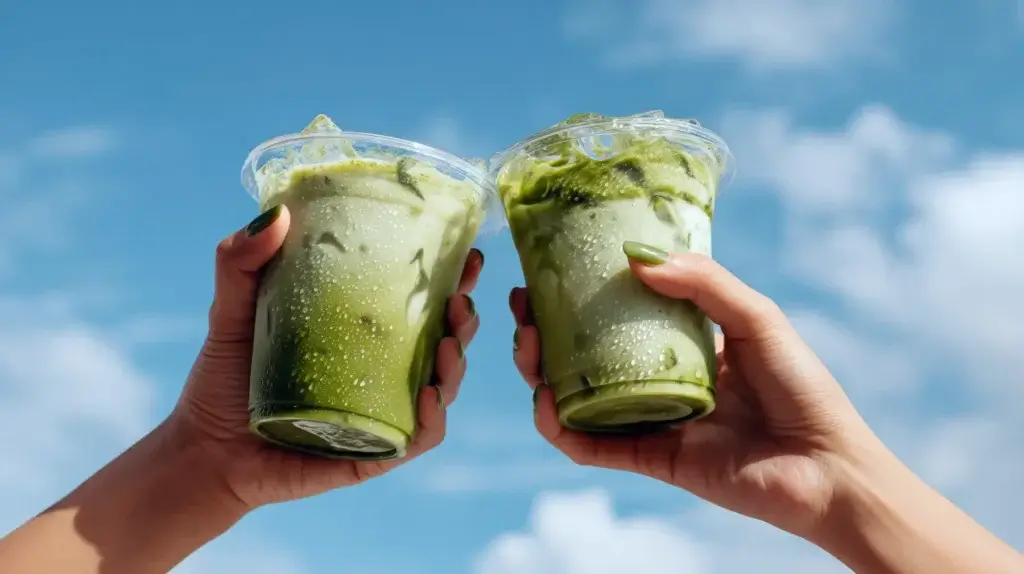
Matcha, on the other hand, is a whole other beast; it’s concentrated green pigment from ground whole tea leaves, which can coat your mouth a whole lot more intensely than brewed tea.
Like I said, just wait until after the aftercare window is over, and you can have your green tea back.
A simpler way to think about it: coffee and black tea are total stain risks, green tea is a quieter risk, and matcha is the most concentrated risk. Different intensity, same basic idea.
What Can You Drink Instead After Whitening?
In those first 48 hours after whitening, water is really your safest bet. It hydrates, rinses away any residue, and helps protect your fresh whitening results without introducing any pigments to your teeth.
If you’re okay with dairy, plain milk is a light-colored option that’s less likely to stain, but remember to keep up with your usual brushing and flossing to keep sugars from lingering.
Some pale herbal teas like chamomile might be okay, but steer clear of dark red, purple, or super-colored blends, and always check in with your dentist to see what they recommend.
And don’t forget, hot green tea shortly after whitening can worsen sensitivity because the treatment leaves enamel more porous, so go for cool or room temperature until your teeth calm down.
Is Herbal Tea a Better Option?
Herbal tea can be a safer choice than green tea only if it’s a pale, mild, and low-pigment brew.
Light as a chamomile tea may work, but deep-hued concoctions like hibiscus, berry, or turmeric are best avoided after whitening.
A simple visual rule of thumb works: if the tea’s color is bright enough to stain a clean white mug, you’re best off giving it a miss for a couple of days.
Don’t assume just because something is ‘natural’ that it’s automatically safe. Beets, berries, turmeric, red wine, and dark teas are all notorious for leaving colour behind.
Still, for a warm drink: choose the palest option, let it cool down a bit to avoid irritating sensitive teeth, and rinse with water afterwards, a few small habits like that really do make a difference without having to be too restrictive.
How to Drink Green Tea Again With Less Staining Risk (eventually)
48 hours after whitening, or 72 if your dentist advises you to be more cautious, you should generally be okay to go back to green tea, but with a bit more care.
Don’t sip it slowly for hours on end; that just prolongs the time the tannins have to get stuck in your teeth.
Finish the tea and then rinse with water. Gently swishing it around helps to dislodge any remaining pigments before they can settle, and you don’t need to go and brush your teeth right away.
If your teeth still feel tender, don’t panic; wait at least 30 minutes after drinking green tea before brushing, since brushing too soon on softened tooth enamel can cause micro-abrasions and make things even worse.
Timing is everything when it comes to avoiding further irritation and can help prolong whitening results.
Do You Need a Straw for Green Tea?
Using a straw can help reduce the amount of liquid that comes into contact with your front teeth, especially if you’re drinking iced green tea.
It’s not a foolproof solution, but it can help to limit how much of the drink ends up on your teeth.
For hot green tea, a straw’s generally not the most practical or comfortable option, so just focus on getting it down in one go, rinsing with water afterwards, and keeping up with good oral hygiene as usual; brushing twice daily with fluoridated whitening toothpaste and flossing is essential because those habits contribute to maintaining a bright result and support overall health.
The thing is, though, that even with a straw, a straw doesn’t eradicate the staining risk completely; the drink’s still going to go into your mouth and potentially touch your teeth.
Think of it as a helpful habit rather than a free pass to ignore all other aftercare steps.
Soy Sauce, Energy Drinks: What Other Acidic Foods And Drinks Should You Avoid After Teeth Whitening?
Green tea’s not the only thing you need to avoid after whitening; there’s a long list of certain foods that you should avoid.
For the first 48 hours, give a wide berth to dark, bright and highly pigmented foods and drinks that can stain: coffee, black tea, red wine, known for its deep color, high acidity, and strong staining abilities that can leave enamel more susceptible to future discoloration, cola, dark juices, sports drinks, energy drinks, colourful smoothies, berries, tomato sauce, soy sauce, curry, beets, dark chocolate and heavily seasoned sauces.
It’s smart to avoid foods and drinks like these during that window and consume only pale options instead, since deeply colored fruits are part of the problem, while lighter choices are safer.
Acidic foods like citrus, vinegar-heavy dishes, and soda can also make sensitivity worse, so try to keep things a bit more neutral through that period.
It’s a bit of a restrictive window, but again, it’s temporary. After that, you can go back to normal eating and drinking with a bit more care.
The Simple ‘White Shirt’ Rule
The ‘white shirt’ rule is a pretty useful way to remember what to avoid after whitening.
If a food or drink could stain a white shirt, it’s probably going to stain your newly whitened teeth too.
It’s not a perfect scientific rule, but it’s practical. Green tea, coffee, red wine, tomato sauce, curry, and berries all make a bit more sense when you think of them that way.
Of course, your dentist’s advice comes first.
Some whitening systems, enamel conditions, or sensitivity levels may need a more careful plan. If you’re unsure, it’s always better to play it safe.
When to Ask a Dentist About Whitening Aftercare
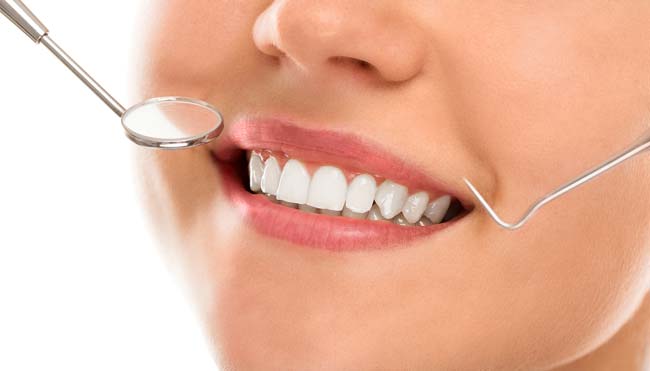
You should ask your dentist about whitening aftercare if you have strong sensitivity, uneven colour, quick re-staining, or are unsure about your diet.
Whitening should boost your confidence, not leave you in doubt at every meal.
Regular dental cleanings and checkups also help monitor staining and maintain results over the years.
A dentist can remove or identify surface stains and explain the factors that affect the long-term effects of whitening.
This is especially important if you’re planning veneers, crowns, bridges, or a smile makeover; whitening has to be timed carefully beforehand because restorations don’t whiten like natural teeth.
At Olive Dental Solutions in Tijuana, we treat patients from the US and Canada who can ask about whitening, sensitivity, cosmetic dentistry planning, and treatment sequencing through our free virtual diagnostic.
If you want personalized whitening aftercare, book an appointment today.
Our bilingual staff are great at clear communication, state-of-the-art equipment and materials, and support with shuttle logistics and accommodation planning. For many dental travelers, the goal is simple: to understand the options clearly and get quality care at significant savings compared with many US prices.
A whitening conversation can also help you decide whether you just need maintenance or if a broader cosmetic plan makes more sense.
Protect Your New Bright Smile: Wait First, Then Enjoy Green Tea (With Care)
Green tea is best avoided right after a teeth whitening procedure, especially during the first 48 hours, if you want to preserve your newly white teeth and keep a brighter, more confident smile.
Even though it might be lighter than coffee or black tea, it still contains tannins and dark pigments that can affect fresh results.
After the waiting window has passed, you can typically get back to enjoying a cup of green tea with better habits in place.
Drink it all at once, rinse your mouth out with water afterwards, and try to avoid constantly sipping on it, and be extra careful with matcha because it’s rather more concentrated.
If you have any issues with sensitivity, uneven results, or just general questions about whitening before veneers, crowns, or a full-on smile makeover, Olive Dental Solutions is on hand to sort out your options for you.
Get a Free Quote and start having a straightforward conversation about various methods, whitening methods, cosmetic planning, travel support, and the best next step for you and your smile, and switch from guesswork to a clear plan.
FAQ
How long after teeth whitening is it safe to drink green tea?
It’s best to wait at least 48 hours before having a cup of green tea after teeth whitening, or longer if your dentist advises 72 hours because of sensitivity or other factors involved.
Does green tea stain teeth as badly as if I drink coffee?
Green tea is generally lighter than coffee, but it’s still possible for it to leave stains because of its tannin and pigment content. The risk is probably a bit higher straight after whitening, and if you are constantly going back for sips.
Can I drink tea through a straw after whitening?
Using a straw might reduce contact with your front teeth, especially if you are drinking iced tea. However, it won’t eliminate the risk of staining altogether, so you still need to follow the aftercare window and rinse with water afterwards.
What happens if I have a cup of green tea too soon after whitening?
One cup may not completely undo efforts to lighten teeth, but it can affect a white smile by increasing the risk of staining sooner rather than later.
Rinse your mouth out with water, try not to have any more drinks that can stain, and stick to pale, low-pigment, non-staining foods and drinks for the rest of the aftercare period, such as bananas, apples, or potatoes.