
Popcorn is the go-to snack for a night out at the movies, a trip to the ballpark, or that late-night munchie. And it’s easy to see why: it’s tasty, fun to eat, and pairs well with a whole lot of other stuff. But let’s be real, there are times when biting into a hard kernel or finding a sharp hull stuck in your gum can give you pause and make you wonder… is popcorn bad for your teeth?
Now, while popcorn isn’t inherently toxic, it does come with a unique set of risks that make it less tooth-friendly than many other snacks. But here’s the thing: an occasional, mindful popcorn session? No problem.
However:
- Those hard, unpopped kernels can leave you with cracked teeth, chip your enamel, and damage things like fillings and crowns, yikes.
- Popcorn hulls can get stuck under your gumline and cause irritation and potentially even infection.
- And let’s not forget those starchy carbs; they feed cavity-causing bacteria, which produce lactic acid that just eats away at your tooth enamel.
- But the good news is that you can significantly reduce these risks by taking a few simple precautions: sort through your kernels, drink some water, rinse, brush, and floss.
Now, in comparison to things like sticky candies and dried fruits, popcorn falls somewhere in the middle, pretty much like a crunchy veggie, but with a few more risks.
So, Is Popcorn Bad for Your Teeth or Not?
The thing is, popcorn isn’t particularly toxic to your oral health. So, what’s the problem? Well, you could say it’s the triple threat: hard unpopped kernels, sharp hulls, and a starchy residue that can just hang around in your mouth. And if you’re eating it too much, or not paying attention, it can contribute to cracked teeth, gum irritation, and cavities.
So, what are the three main dental threats?
- Unpopped kernels: They can crack or chip your teeth if you accidentally bite down on them.
- Popcorn hulls: They can get stuck under your gumline and cause irritation and potentially infection.
- Fermentable carbs: They get broken down by oral bacteria into acids that basically go after your enamel.
You’re better off going for air-popped, plain popcorn, as opposed to that movie theater stuff with the butter, caramel, chocolate, and added sugar. The sticky toppings just increase sugar exposure and make it even more likely you’ll get cavities.
And people with dental crowns, veneers, large fillings, or dental implants should be extra careful, as a hard kernel can easily damage their dental work.
Unpopped Kernels: How Popcorn Can Do Damage
Most of the damage comes from those unpopped kernels and hulls. If you bite into an unpopped kernel, it may not cause a dental emergency, but it can still mess up your natural teeth and your dental restorations, leading to oral health problems like:
- Chipped edges on your front or back teeth
- Hairline fractures that give you intermittent tooth pain
- Cracked crowns or fillings that can get worse over time
- And in the worst-case scenario, a deep crack can expose the tooth’s nerve and contribute to a dental abscess.
Popcorn hulls cause a different problem. When they get stuck under your gumline, they can irritate and let bacteria accumulate, leading to:
- Localized gum irritation
- Redness and swelling
- And in the worst-case scenario, an abscess, pus, or a painful bump.
The particles and starch trapped around the gumline can also encourage plaque buildup and increase the risk of gum disease. In serious cases, you may need some professional treatment, like a new filling, crown, or minor gum procedure.
Popcorn, Cavities, and Your Overall Oral Health
Now, even plain popcorn is lower in sugar than a lot of other snacks, but the starches can still contribute to tooth decay. Salivary enzymes break those starches down into sugars, which oral bacteria ferment into acids that just eat away at your enamel and increase cavity risk.
And a 1999 study actually found that acid production after eating popcorn continued for several hours, with oral clearance slower than for some sugary foods. This means the popcorn residue can just keep feeding those cavity-causing bacteria even after you’ve finished eating.
Flavoured varieties can be even worse, because caramel, chocolate and sugary kettle-corn coatings all behave more like sticky candy; they cling to your teeth, and extend acid exposure.
Compared with other cavity-promoting snacks, there’s sticky candy and dried fruit that cling to your teeth, hard candy that exposes your teeth to sugar as it dissolves, cold foods like ice cream and smoothies that can cause sensitivity and are high on sugars, and crackers and potato chips that contain starches that can break down into sugars in your mouth.
But with good oral hygiene, including brushing with fluoride toothpaste twice a day, daily flossing, and regular visits to the dental hygienist, occasional popcorn is a lot less concerning than frequent snacking or sipping sugary drinks.
How To Eat Popcorn (Or Any Other Hard Candy) Without Damaging Your Teeth
You don’t have to give up popcorn to keep your teeth healthy. A few simple habits can make it a lot safer:
- Get rid of those unpopped kernels: Before eating, check your bowl or bag and chuck the hard kernels.
- Take smaller bites: If you do bite into a hard piece, stop immediately, rather than trying to chew through it.
- Choose the right popcorn: Go for air-popped, plain popcorn, as opposed to that sticky caramel or sugary kettle-corn.
- Drink some water: Water helps wash away debris and neutralize acids while you snack.
- Rinse afterwards: A water rinse can loosen stuck debris and reduce acid levels.
- Brush and floss your teeth after eating: Get those pesky hulls and starchy bits off ASAP. If for some reason you can’t brush straight away, give sugar-free gum a try for about 20 minutes. This will help get the saliva juices flowing, helping to clean your mouth out a bit.
- Protect new dental work: Just had a crown fitted, a veneer done, or a root canal or dental implant? Maybe give popcorn a miss for a bit or ask your dentist when it’s okay to give it another go.
Safe Ways to Remove Those Pesky Popcorn Hulls from Your Teeth and Gums
You’ve got a stuck popcorn piece, and you need to get it out. Don’t try to dig it out with a sharp object, as this will just end up pushing it further in or harming those poor gums.
Let’s start with a good old warm saltwater rinse. Just use about half a teaspoon of salt in a glass of warm water. This should be soothing for any irritated bits and may even help loosen that pesky hull.
Next, gently floss around the affected tooth:
- Don’t go snapping that floss between the teeth; try to slide it through instead.
- Curve it into a C-shape and work it gently around the tooth and under the gumline.
Then grab a soft-bristled toothbrush and some fluoride toothpaste and give the back teeth some extra attention; that’s where those hulls can hide out.
But whatever you do, don’t get any of those sharp objects out- toothpicks, sewing needles, tweezers- they’ll only push it in further, cut the gums, or damage the tooth.
See a dentist if:
- That stuck bit is still there after a day of looking after it properly.
- Pain, swelling, or a nasty little pimple-like bump appears on your gums.
- You get a fever or a yucky taste in your mouth; that’s a sign of infection brewing.
Good Snack Options that Won’t Harm Your Teeth
Popcorn can still be a treat now and again, but why not mix things up a bit and try some more tooth-friendly snack options? Ones that are good for oral health long-term include:
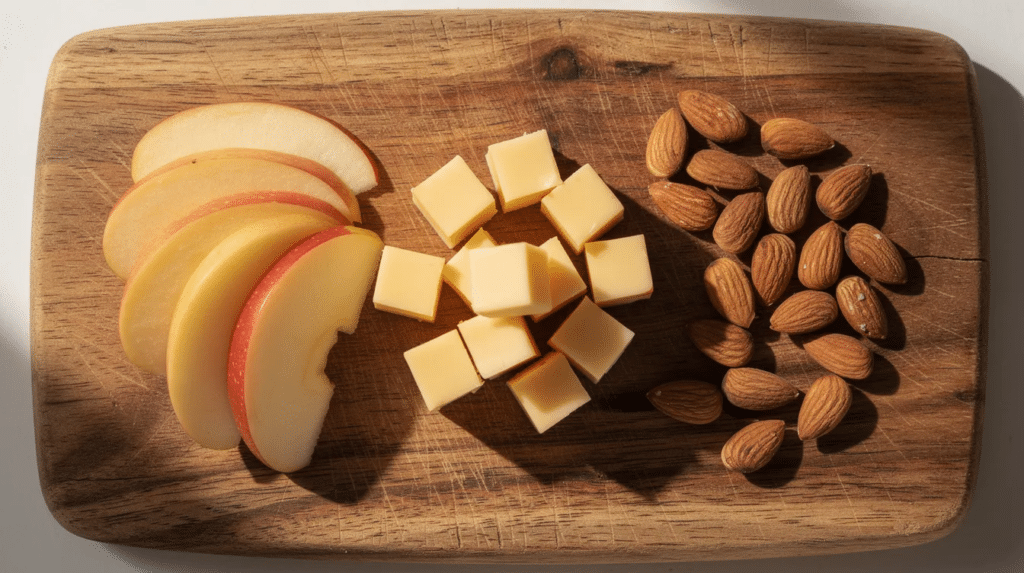
- Crisp, crunchy fruits and veggies: Ever tried munching on an apple or a pear? Celery and carrots are good options too; they’re all great for a bit of a clean-up job for your teeth.
- Low-sugar yogurt and cheese: These are good for calcium, get the saliva flowing, and help neutralise any acid in your mouth.
- Nuts, the crunchy protein-rich kind: Almonds, cashews, walnuts, all good options as long as you watch out for any sensitive teeth. But these are a safer choice compared to the hard kernels of popcorn.
These snacks are all easier to handle and less likely to cause acid attacks on your enamel. But do take it easy on the citrus fruits; a rinse with water afterwards will help out a bit.
Overall, smart snack choices really are a simple way to keep your smile healthy and your teeth and gums in top nick.
FAQs
Is air-popped popcorn really better for my teeth than movie-theater popcorn?
Yeah, it’s way less sugary, less sticky, so less likely to feed the bacteria that can cause dental problems. However, all that crunchy fun still comes with a risk, so just be mindful of those kernels and hulls and clean up afterwards.
Can popcorn on its own cause gum disease?
Not directly, but if you’ve got a stuck popcorn hull, you might end up with some inflammation or a bit of a bacterial buildup. If you’re not looking after your teeth properly, this can cause gum disease, which is a whole other ball game.
Is popcorn okay for me if I’ve got braces, clear aligners or a dental implant?
Sorry, but probably not, especially with braces. It’s all too easy to get a kernel trapped, and that can lead to tooth decay. Orthodontists usually recommend giving it a miss until your existing dental work has had time to settle.
How long should I wait before brushing and flossing after eating popcorn?
Well, get that floss out straight away to remove any stuck hulls and then get brushing and rinse with water if you need to, but ideally within 30 minutes to give your teeth a good clean with some fluoride toothpaste.