

If you’re thinking of getting tooth bonding or you’ve already got composite resin, you probably want to know how long it lasts. The short answer is simple:
- Dental bonding usually lasts around 3–10 years, with most people averaging around 4–8 years.
- Front-tooth bonding typically lasts 4–7 years, while low-stress repairs might last a decade or more.
- The longevity of dental bonding depends on a few key things, like how hard you bite, how well you look after your teeth, what you eat and drink, and whether you have any bad habits like nail biting or teeth grinding.
- Bonding isn’t a permanent fix, but it can often be touched up, refreshed, or replaced without having to redo the whole dental bonding procedure.
- Good oral care, regular checkups, and avoiding hard foods and staining drinks can all help to extend its lifespan.
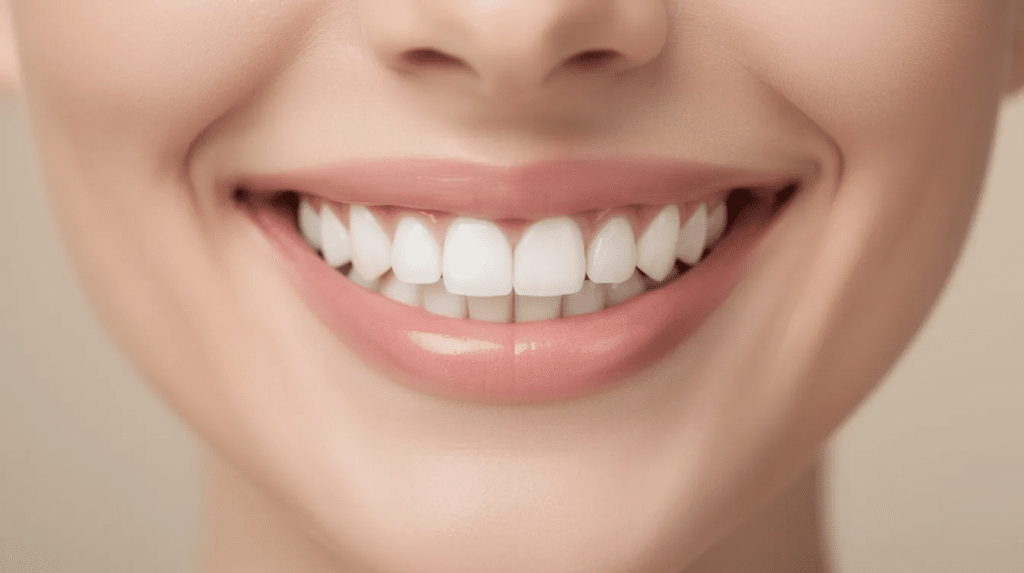
What Is Dental Bonding and Why It Won’t Last Forever
Dental bonding uses tooth colored resin material to fix chipped teeth, close gaps, hide discoloration, and treat minor decay. It usually takes 30-60 minutes to sort out one tooth and can be done in one visit.
Your dentist will match the colour, prepare the tooth, apply the resin, harden it with a special light, then shape and polish it. It’s a pretty minimally invasive procedure that requires very little enamel removal and hardly ever needs an anesthetic.
Bonding doesn’t last forever because composite resin is softer and more porous than enamel or porcelain. It can absorb stains, wear from biting pressure, and gradually degrade. Porcelain veneers cost a bit more and require more preparation but look a lot better and can last 10–20 years.
So How Long Does Dental Bonding Last?
The truth is, dental bonding generally lasts 3–10 years, with cosmetic bonding on visible teeth averaging around 4–8 years. With proper care, it can sometimes last longer than 10 years.
- Small low-stress chips: 8–10 years
- Biting or high-pressure areas: 4–6 years
- Low-stress decay repairs: Potentially 10+ years
Bonding doesn’t usually ‘fall off’ all of a sudden, but rather it wears, chips, or stains gradually.
How Long Does Dental Bonding Last on Front Teeth?
Front-tooth bonding typically lasts 4–7 years with good care. Even though front teeth don’t have to put up with as much crushing pressure as back teeth, biting hard foods can still cause chips.
Signs of wear and tear include edge chips, rough spots, sharp edges, and staining around the margins. If you spot any of these early signs, it’s usually pretty easy to fix with a quick touch-up.
To make it last longer, avoid habits like:
- Don’t bite hard objects or open packages with your teeth.
- Cut very hard foods into smaller pieces.
- Wear a night guard if you tend to grind or clench.
- Avoid biting your nails or chewing on hairpins.
Key Factors Affecting How Long Dental Bonding Lasts
So why does bonding last a decade for some people but only a few years for others? Several factors can affect its longevity:
- Where it’s located and how big it is: Bonding on biting edges, back teeth, or bigger tooth surfaces will wear faster than small, low-stress areas.
- Your bite: Misaligned, cross, or deep bites put extra pressure on the bonded teeth.
- Teeth grinding: Bruxism can quickly wear or crack bonding; a custom night guard can help to protect it.
- Having Good Oral hygiene: Poor brushing and flossing can cause staining, gum problems, or decay around the bonding.
- Diet and lifestyle: Ice, hard foods, coffee, tea, red wine, and tobacco can all cause chips or discoloration.
- The dental bonding materials and technique used: Using quality bonding materials, getting it applied properly, and carefully polishing it afterwards can all help to make it last longer.
Your daily oral habits can either shorten the lifespan of your bonding or help to make it last much longer.
How to Make Your Bonded Teeth Last Longer
You can extend the lifespan of your bonded teeth by protecting them from damage and stains.
Daily care:
- Brush your teeth twice a day with a soft brush and non-abrasive toothpaste.
- Floss daily around the bonded teeth and gum margins.
Diet and habits:
- Avoid biting ice, hard candy, or bones.
- Limit your intake of staining foods and drinks, and rinse your mouth with water afterwards.
- Quit smoking; it only causes discoloration.
Protection:
- Wear a custom night guard if you tend to grind your teeth.
- Use a sports mouthguard during contact sports.
Professional maintenance:
- Go to your regular dental checkups every six months for cleanings, polishing, early repairs, and overall dental care.
When to Repair, Re-Bond or Consider Veneers Instead
Dental bonding offers a pretty practical solution, but it’s not permanent, so over time it may need repairs, replacement, or even veneers. Knowing when to take action will help you keep your smile looking its best.
Signs bonding needs attention:
- New chips or cracks
- Rough or sharp edges
- Noticeable colour mismatch
- Persistent sensitivity or discoloration
- Cracking that may require replacement
Repair vs replacement:
Minor chips can usually get fixed with a composite repair and a polish-over in one go. On the other hand, more extensive wear, stains, or actual rot in the tooth may require taking out the old resin and putting in a new one.
Bonding usually lasts between 5-7 years, whereas porcelain veneers last between 10 to 15 years +. The porcelain ones resist stains and are also a better fit if you are doing a major smile overhaul; they do cost more & require a bit more material. Bonding is often the more budget-friendly option and requires less of an overhaul to your mouth.
Your dentist will look at your teeth and take into account what you’re looking for and how much you’re willing to spend to figure out whether to fix what’s there, swap out the bonding, or go with veneers.
If you are still unsure which option is right for you, then book in for a chat to talk through your options.
FAQ
Can I whiten my teeth after getting dental bonding?
Whitening only works on natural teeth, so it won’t affect the tooth colored resin material. If you’re considering whitening or other cosmetic treatments, it’s best to whiten first, then have your dentist color-match the bonding to your new shade.
Does dental bonding hurt while it’s being done or when the bonding wears out?
Bonding is usually totally painless, and you don’t usually need anaesthetic. Some minor sensitivity can happen as the bonding wears thin, but it is generally not too much of an issue, unless of course you have a cracked tooth or underlying decay.
Can dental bonding fall off all at once?
Bonding tends to crack & wear at a gradual rate, but a hard bite or some other trauma can, in theory, break off a decent chunk of it. If that does happen, then pop on over to your dentist sharpish to keep the tooth safe.
Is dental bonding safe for my overall oral health over the years?
Generally speaking, composite bonding is safe and can help protect your teeth from damage. The biggest worry in the long run is that if you neglect to clean around the bonded area properly, then you can end up with problems from decay.
How do I know if bonding or veneers are better for me?
Bonding is ideal for small cosmetic fixes and tighter budgets, while veneers suit larger smile makeovers. Your dentist can recommend the best option based on your teeth, bite, goals, and budget.