

If you spot pink in the water after brushing your teeth or catch a glimpse of blood on your dental floss, your gums are sending you a warning sign, and you should take it seriously. Bleeding gums aren’t something to just shrug off. Fortunately, most cases can be sorted with a few fairly simple tweaks to your oral care routine, diet, and way of life. In this guide, we’ll teach you how to prevent bleeding gums.
What’s the Main Cause of Bleeding Gums?
When you’re brushing and flossing, but still see blood, it’s usually a sign of swollen gums.
A metallic taste or pinkish water after rinsing can be just as telling. This is what often happens when there’s bacteria and plaque buildup along the gumline: it inflames the gums, making ’em red, swollen, and fragile.
That early stage, called gingivitis, is usually reversible with good oral hygiene and professional help, if you catch it early enough.
Advanced Gum Disease: What Happens if You Ignore Bleeding Gums?
Putting off seeing your dentist about bleeding gums can let inflamed gums turn into periodontitis, which leads to gum recession, bone loss, and eventually a whole heap of trouble, including loose teeth, tooth loss & nasty infections, not to mention bad breath and loads more dental treatment. In fact, leaving gum inflammation unattended can even cause painful infections and more extensive care.
Other causes & risk factors to look out for:
- Poor plaque removal: If you don’t brush and floss regularly, plaque builds up & hardens into tartar; the only way to get that is by visiting a dentist.
- Brushing or flossing too hard: Harsh-bristled toothbrushes and scrubbing can damage gum tissue and contribute to gum recession.
- Going back to flossing after a break: When you start flossing again after a while, your gums may bleed for 3-7 days, but gentle daily cleaning should reduce the bleeding over time.
- A diet high in sugar & refined carbs: All those sweets, sodas, and refined foods feed plaque growth & boost oral bacteria, which in turn can cause gum inflammation.
- Dry mouth & mouth breathing: If you get dry mouth from meds, dehydration, or are a mouth breather, it’s easier for plaque to accumulate.
Knowing what’s causing your bleeding gums is a great first step to sorting the problem and preventing lasting damage.

Other Medical Factors Behind Bleeding Gums
Sometimes, bleeding gums have nothing to do with poor oral hygiene & everything to do with other health factors. Diabetes, bleeding disorders, leukemia, and liver disease can all increase gum bleeding and make infections harder to control. Hormonal changes during pregnancy, puberty, or menopause can make you more prone to gum inflammation.
Medications can also play a part, especially blood thinners, certain heart meds, and chemotherapy drugs, which can make bleeding worse. If you’re on any of these, you and your dentist/doctor need to be on the same page.
Vitamin deficiencies can also have an impact. Vitamin C deficiency can weaken connective tissue & blood vessels, Vitamin K can impair clotting, while low Vitamin D can affect immune function. And let’s not forget the impact of stress and poor sleep on inflammation.
If you experience sudden, heavy, or unexplained bleeding, tell both your dentist and doctor.
Home Remedies & Self-Care For Safer Gum Health
Good oral hygiene is the foundation of sorting bleeding gums and keeping your gums healthy long-term. A consistent daily routine can help control plaque, soothe gum irritation, and prevent gum disease from getting worse.
- Brush twice a day gently: Use a soft-bristled toothbrush, fluoride toothpaste, and gentle circular motions for two full minutes. No scrubbing, please; it can irritate sensitive gums.
- Floss and clean between teeth daily: Use that C-shape motion around each tooth, no snapping, please; interdental brushes or water flossers are great for tight spaces.
- Rinse your mouth: If you’re using antiseptic or antibacterial mouthwash, that’s great. Or just warm saltwater for soothed gums. Hydrogen peroxide can also be used, but don’t use it too often.
- If your gums bleed: Rinsing is good, but then apply clean damp gauze with light pressure for 5-10 minutes. A cold compress can help with minor trauma.
- Change your toothbrush: Switch it every 3-4 months or sooner if the bristles get worn down.
If bleeding gums continue after a two-week trial of self-care, it’s time to get your dentist to check what’s going on.
Diet, Lifestyle, and Supplements for Stronger Gums
Of course, a healthy diet, good lifestyle, and some supplements can help keep your gums in great shape; you can’t stop gum disease just by brushing your teeth: it’s what you eat, drink, and do in your daily life that determines whether your gums stay healthy or develop gum disease.
- Nutrition For Gum Health. Eating a balanced diet that’s rich in vitamins C and K is pretty much essential. The foods that will help you out the most are citrus fruits, berries, and bell peppers for vitamin C, and leafy greens like spinach and kale for vitamin K. Don’t forget to add some fatty fish or fortified foods to get you the vitamin D and calcium you need. Just remember to limit all those sugary foods and drinks to avoid new plaque forming.
- Drinking Enough Water. Staying hydrated isn’t just good for your overall health; it’s also vital for your gums. Drinking plenty of water throughout the day will help wash away food bits, get saliva flowing, and keep those oral bacteria under control.
- The Dangers of Smoking and Vaping. Smoking will seriously up the risk of gum disease and bleeding gums. Research shows that smokers are almost at double-the-risk of periodontal disease compared to non-smokers, and treatments just aren’t as effective. Quitting will help by making your immune system stronger, reducing gum healing time, and stopping bleeding altogether, though it can be tough to spot, as your body will try to mask the bleeding through vasoconstriction. Nicotine from e-cigarettes and hookah carries pretty similar risks.
- Stress, Sleep, and Grinding. Prolonged stress is a major cause of inflammation, which can lead to nighttime teeth grinding. If you suspect you’re doing this, make sure to discuss mouth guards and stress management with your healthcare provider.
A healthy diet, combined with good habits, will keep your teeth & gums in great shape. Still, before adding any new supplements, especially if you’re on blood-thinning medications or managing chronic conditions, it’s smart to chat with your doctor first.
Professional Help to Stop and Prevent Gum Bleeding
When bleeding gums refuse to stop, even with proper home care, you may need to see a professional. The kind of treatment you need will depend on the cause and severity, and the options are:
- Regular, Deep Dental Cleanings: Usually recommended every six months, these check-ups will get rid of plaque & tartar above the gum line and prevent gum disease from getting worse.
- Scaling & Root Planing: A deep clean just below the gum line. This treatment removes plaque & tartar and smooths out the chewing surfaces of your roots so that your gums can reattach. This makes it easier for your gums to heal, which reduces inflammation and promotes new growth.
- Advanced Gum Disease Treatments: If you have severe gum disease with deep pockets or bone loss, then you may need localized antibiotics, laser therapy, or periodontal surgery to control the infection, stop the bleeding & save your teeth.
- Gingivitis Treatment: Professional cleanings combined with a good oral hygiene routine at home can stop bleeding gums and prevent the problem from coming back.
After treatment, follow your dentist’s aftercare plan; this might include a soft diet for a few days, gentle brushing, prescribed mouthwashes, and follow-up visits.
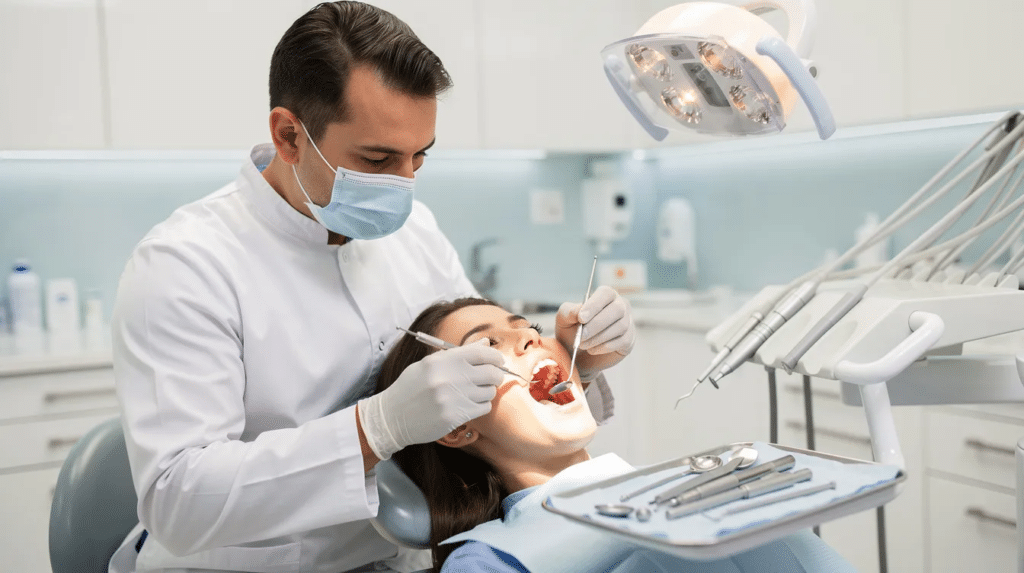
When to Get a Dentist or Periodontist For Bleeding Gums Treatment
If you’re noticing gums that bleed regularly or really heavily, this is not normal, and you need a professional to check it out.
You should see a dentist if:
- You have persistent gum bleeding: every day or for more than 7-10 days even with a good oral hygiene routine
- Your gums are red, purple, or visibly swollen
- You have gum recession or deep pockets around your teeth
- You have chronic bad breath or a persistent bad taste in your mouth
- You see pus between your teeth and gums or loose, shifting teeth
- You experience pain when chewing, or you see tooth decay near the gumline
Un General Dentist can diagnose early gum disease, give you professional cleanings, and assess your brushing and flossing technique. If bleeding persists, or if you have significant bone loss on your X-rays, or a history of severe gum disease, you may need to see a Periodontist.
If you get a sudden, really heavy bleed or if you have a fever, facial swelling or unexplained bruising, seek medical help straight away.
FAQ
How long does it take for gums to stop bleeding once I improve my oral hygiene?
3–10 days for mild cases, with full healing taking 2–4 weeks. See a dentist if bleeding persists past two weeks.
Can I reverse early gum disease at home without a dentist?
Home care helps, but professional dental cleanings are usually required to remove hardened tartar you can’t brush away and treat bleeding gums.
Are natural remedies like saltwater, green tea, or aloe enough to stop gum bleeding?
No. They can soothe tissue, but they won’t remove the plaque driving the problem; use them only as supplements to brushing and flossing.
Should I keep brushing and flossing if my gums are bleeding?
Yes. Gentle care removes the plaque causing the bleeding; stopping only makes the inflammation worse. Use a soft brush.
Can mouthwash alone prevent gum disease and bleeding gums?
No. Mouthwash kills bacteria, but only physical brushing and flossing can remove the plaque causing the bleeding.